

Vocational Education is the New Standard: NUST Leads Water Skills Transformation
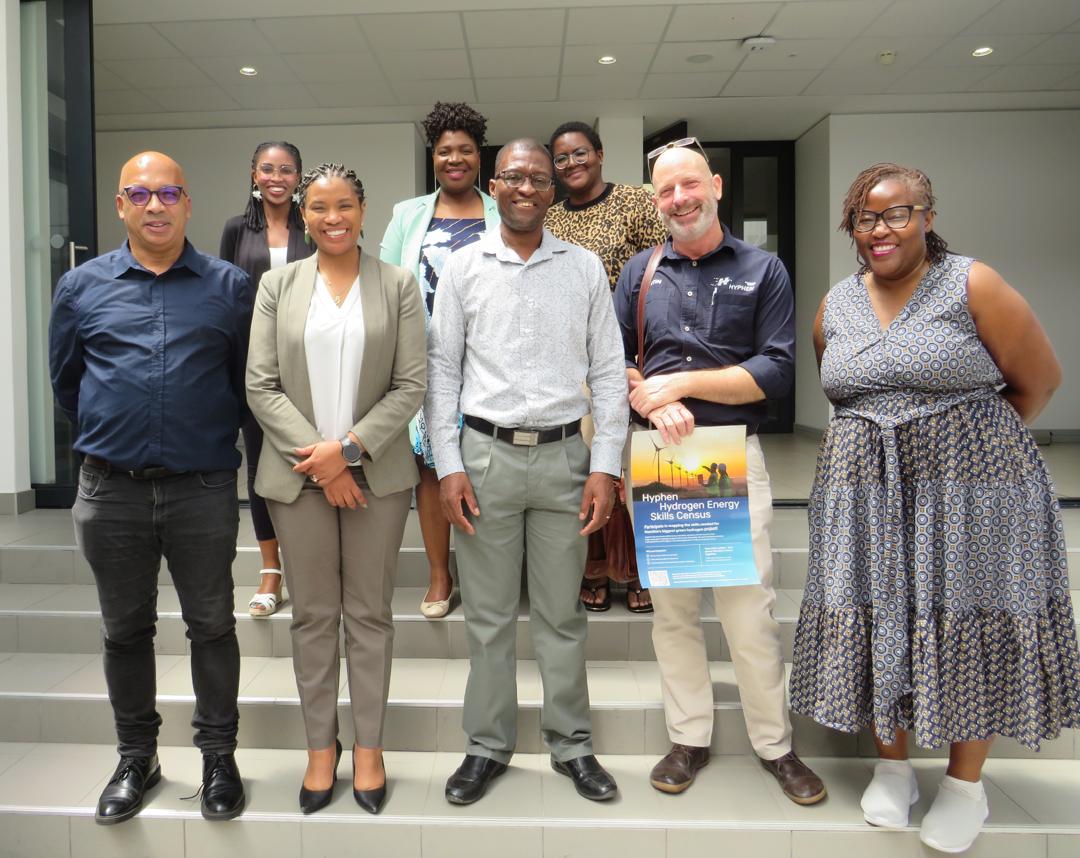
The Namibia University of Science and Technology (NUST), in collaboration with Stellenbosch University, hosted a Regional Upscaling Platform for Vocational Excellence (PoVE) workshop on 17 March 2026 at the High-Tech Transfer Plaza Select (HTTPS), marking a key milestone within the Human Capacity Development (HCD) component of the ACEWATER III initiative. The engagement brought together stakeholders from academia, industry, water utilities, and the renewable energy sector to strengthen coordination on vocational skills development in Namibia’s water sector.
Through ACEWATER, NUST and Stellenbosch University are leveraging the PoVE framework to advance the establishment of a Centre of Vocational Excellence (CoVE), with NUST positioned as the national coordinator under the Southern African chapter. The initiative adopts a Water-Energy-Food (WEF) nexus approach, linking water sector skills development with emerging industries such as green hydrogen, while strengthening alignment between education, research, and industry needs.
Opening the session, Dr Anna Matros-Goreses, NUST Water Research Cluster lead and Executive Director: Research, Innovation and Partnerships, emphasised the importance of integrated collaboration, highlighting the need to move beyond fragmented approaches towards a coordinated ecosystem of research, innovation, and vocational training. Contributions from Dr Leena Kloppers (NUST-TVET) and Richardt Kharuchab (NamWater HRDC) highlighted existing skills gaps and ongoing efforts to modernise training through flexible, industry-responsive programmes, including short courses and modular learning pathways.
Providing a regional perspective, Mr Manuel Jackson (Stellenbosch University Water Institute) outlined how the PoVE model supports more coordinated, labour market-responsive vocational systems, enabling regional collaboration and knowledge exchange. The engagement further highlighted the importance of aligning initiatives such as IGNITE and the Namibia Centre of Excellence in Green Energy Innovations (UNDP initiative) to deliver tailored training across multiple skills levels. Stakeholders, including representatives from Hyphen Hydrogen Energy and the Rundu Town Council, reinforced the importance of grounding training programmes in real industry and local development needs.
The workshop concluded with a shared commitment to advance a coordinated national approach to vocational excellence, positioning vocational education as a strategic and future-focused career pathway, rather than a fallback option, within Namibia’s water and energy sectors.