
Living Lab Transforms Learning in Groot Aub
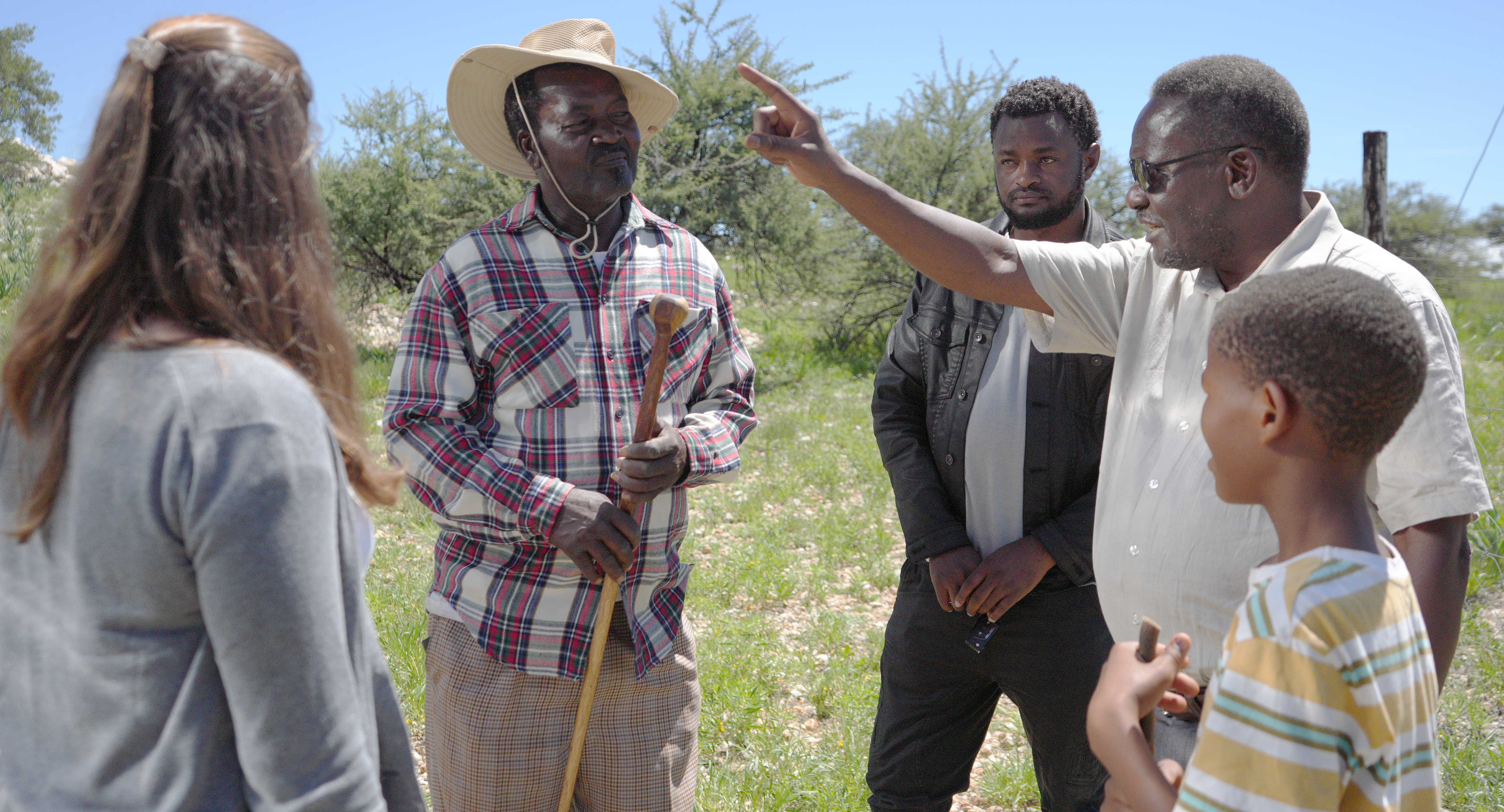
Just outside of Windhoek lies a small community eight kilometres south of Groot Aub, at Farm Kharoxas, where learning takes on a different meaning through the establishment of the NUST Sustainable Energy and Entrepreneurship Development (SEED) Centre Living Lab.
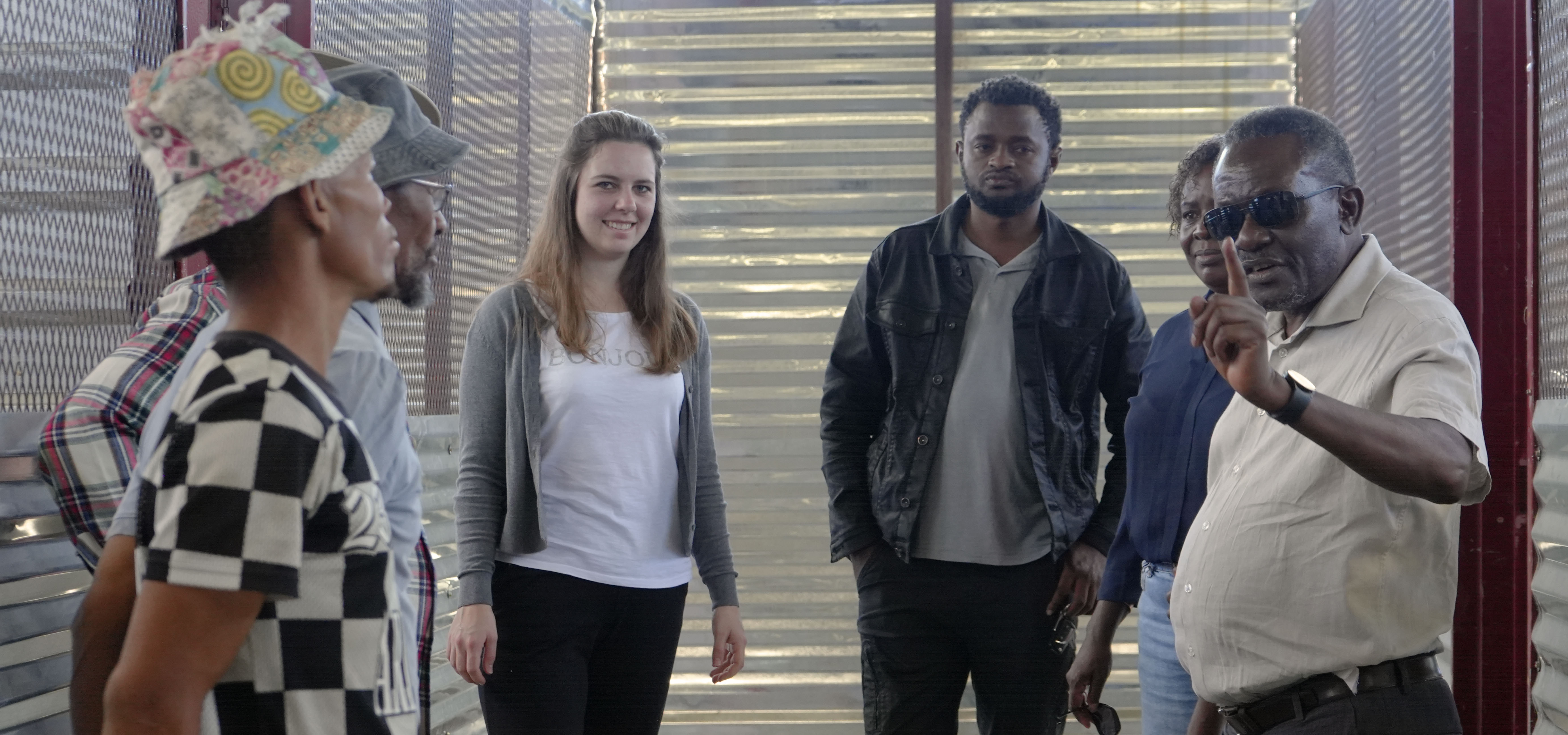
Established by NUST in collaboration with the Technical University of Munich (TUM), the lab stands as a beacon of sustainability and empowerment where innovation meets everyday life. “At the centre of the initiative is a solar-powered energy system that supplies reliable electricity to parts of the community, demonstrating how renewable energy can support sustainable rural living,” explains project lead and NUST’s Renewable Energy Systems expert, Prof James Katende. “Complementing this is a fully operational borehole that draws underground water, ensuring access to one of the most essential resources for survival,” he elaborated.
In addition, the site features a poultry facility, creating opportunities for small-scale food production and skills development. Together, these key features; energy, water, and food, are all located within a few hundred metres of each other, forming a practical ecosystem that showcases how integrated solutions can support self-sufficiency in rural communities.
What sets the Living Lab apart is its hands-on approach to learning while offering students exposure to global best practices in sustainable energy implementation and entrepreneurial thinking. “Students are actively involved in projects that require them to think critically, adapt to real-world conditions, and collaborate with both professionals and community members,” said Prof Katende.
For NUST, the initiative reflects a broader vision of producing graduates who are not only knowledgeable but also capable of applying their skills in ways that benefit society. The NUST-SEED Living Lab continues to demonstrate how education, when rooted in real-world experience, can be both transformative and impactful.