
Learning in a Different Rhythm
... defying odds despite hearing impairment
She does not experience lectures the way most students do. But she still showed up, participated in her own way, and performed at the same academic level, proving that learning does not depend on hearing, but on resilience.
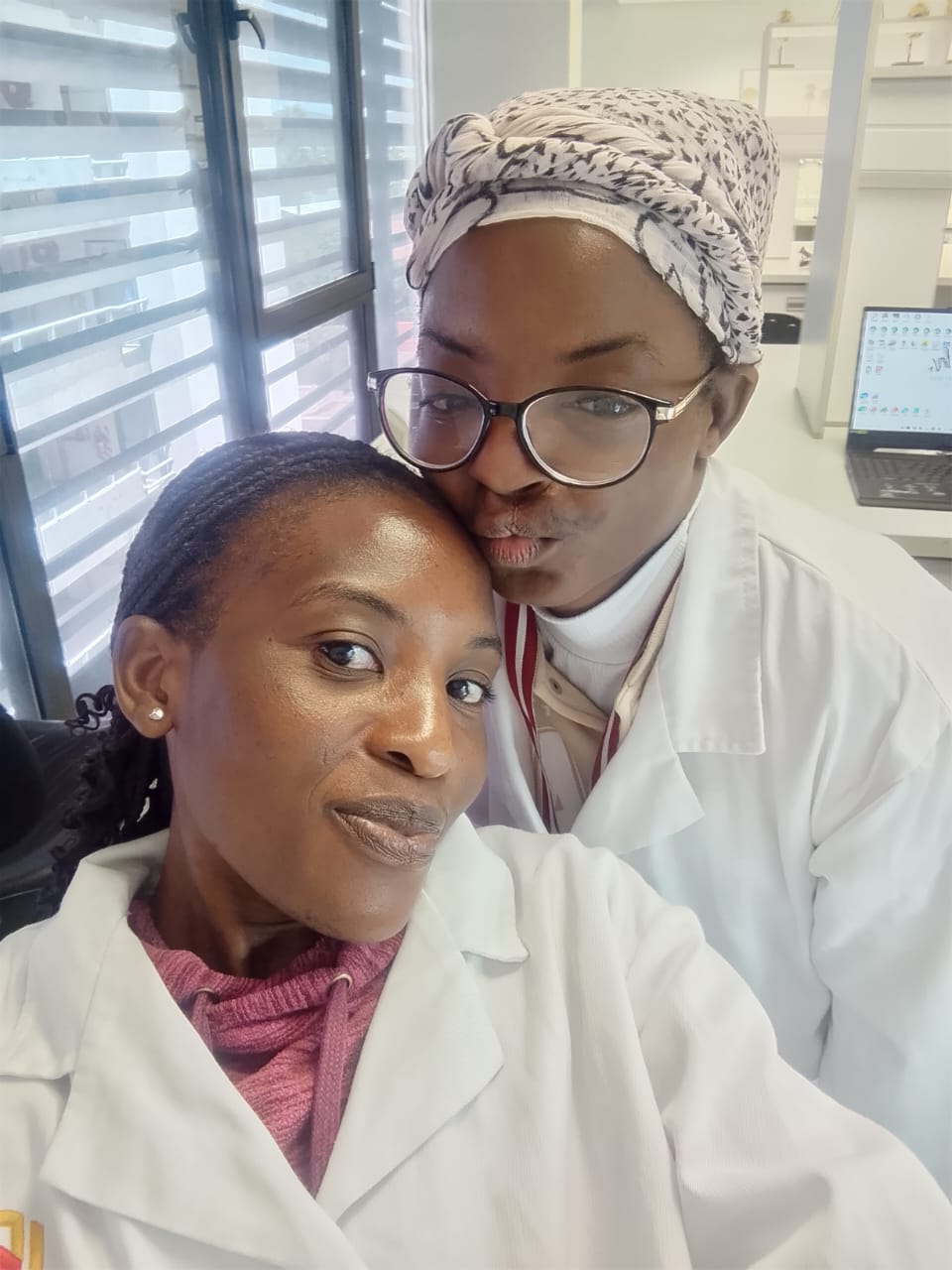
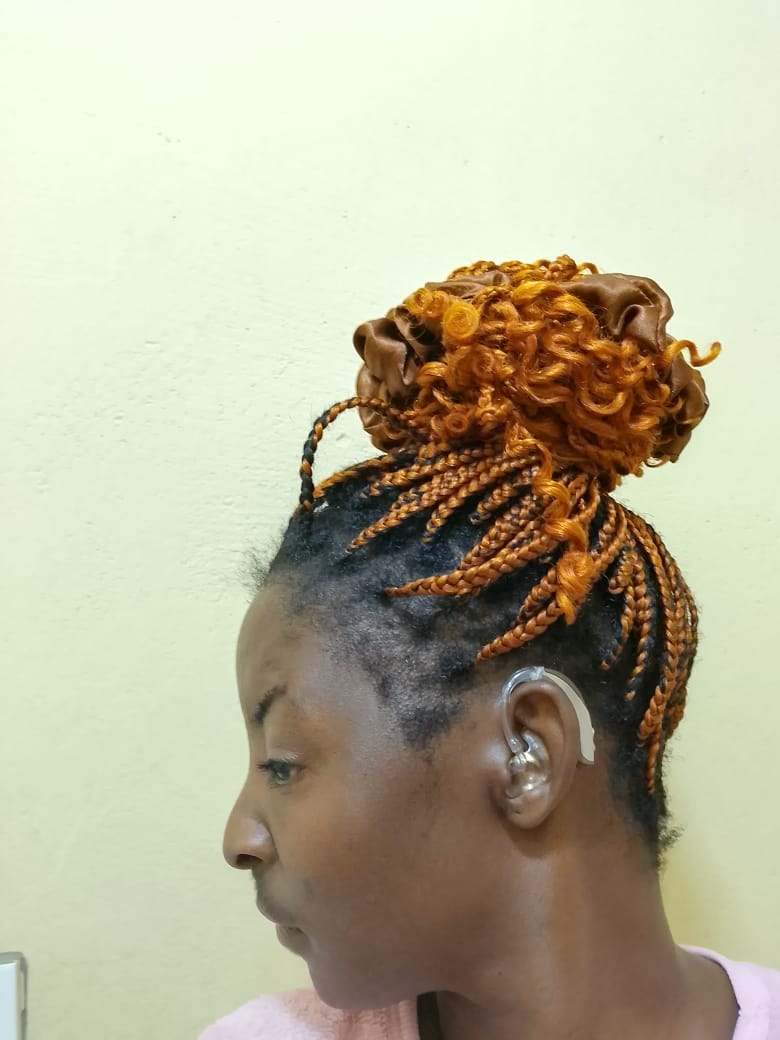
From Ruacana in the Omusati Region comes the story of Amutenya Tresia, a fourth-year Bachelor of Science Honours student at NUST, whose journey is quietly reshaping how academic inclusion is understood. She is set to graduate in May.
At the age of 11, while in Grade 4, Amutenya first became aware of her hearing impairment following a sudden illness. What initially seemed like a severe episode marked by a high fever and suspected internal complications resulted in lasting damage to her hearing.
“I was not born with a hearing problem,” she explains, “but after that illness, everything changed.”
University life brought new pressures. Lectures moved quickly, group discussions were fast-paced, and not all information was easily accessible.
For Amutenya, this meant constantly finding alternative ways to keep up reading lips, relying on written communication, and spending extra hours revising material after class.
“There were moments I felt overwhelmed,” she reflects, “but my determination, goals, and support system kept me going. I reminded myself why I started.”
Support System
Her journey was strengthened by a network of support. Lecturers provided notes and additional explanations when needed, while classmates assisted during group work and discussions.
The Tulonga Foundation, an organisation committed to promoting inclusive education, also played a key role in motivating her. Through its mentorship programmes, which empower girls with disabilities, the Foundation demonstrated that students with disabilities can succeed and thrive in higher education.
At the centre of it all was her family.
“They believed in me even when I doubted myself,” she says. That belief became a steady anchor through moments of uncertainty.
Looking Ahead
Beyond her academic journey, Amutenya is passionate about advocacy. She believes hearing-impaired students are fully capable but often require inclusive teaching methods and better communication support.
She calls for more interpreters, improved accessibility tools, disability support structures, and greater awareness among academic staff.
“We are just experiencing the world differently,” she says. “But we deserve equal access to learn and succeed.”
Amutenya now turns her focus toward postgraduate studies in Biotechnology, with the intention of deepening her expertise and contributing meaningfully to her field.