
NUST’s Prof Percy Chimwamurombe joins CIFAR’s Future of Food teams, strengthening Namibia’s food-security agenda
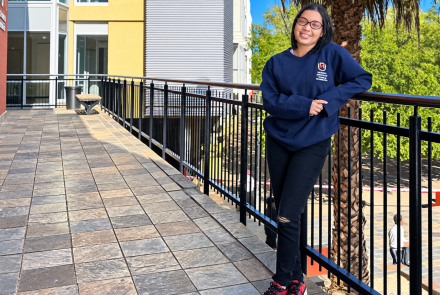
Prof Percy Chimwamurombe of the Namibia University of Science and Technology (NUST) has been selected as part of one of seven “visionary teams” convened by CIFAR to explore the future of food research through its inaugural Discovery Workshops. Prof Chimwamurombe is a member of the “Legume Futures: Reimagining Food, Climate and Culture Through Marama (Morama) and Bambara” team, an interdisciplinary collaboration that positions NUST at the centre of a global conversation on resilient food systems and underutilised, climate-smart crops.
CIFAR is a Canadian-based global research organisation that convenes interdisciplinary experts to tackle major questions facing science and society. Through the CIFAR Arrell Future of Food Initiative, the Discovery Workshops are designed to open new frontiers across four broad themes: governance; food and culture; ecology and biodiversity; and consumer patterns and education. These engagements aim to translate dialogue into future research directions and collaborations. For NUST, Prof Chimwamurombe’s participation represents both a visibility milestone and a practical pathway for influence, ensuring that African dryland realities, indigenous foods, and local innovation constraints and opportunities are reflected in global evidence, partnerships, and future funding priorities.
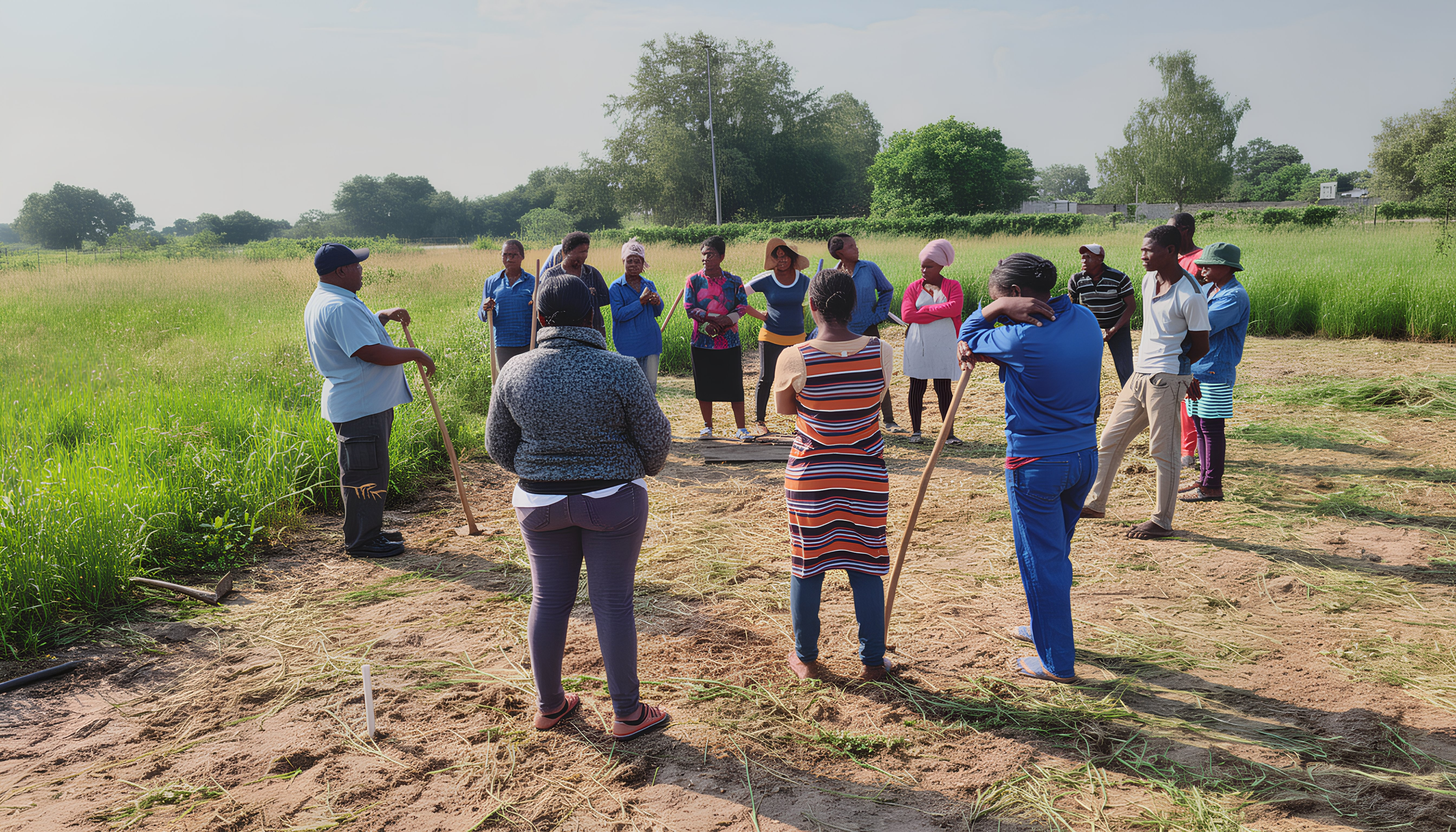
For Namibia, this work connects directly to the ambitions outlined in the National Development Plan 6 (NDP6) on food security and resilience. NDP6 sets a clear target that by 2030, Namibia should produce 80% of its national food requirements, up from the current 60%. Research and innovation focused on drought-tolerant legumes such as marama (morama) bean, Bambara groundnut, and related protein-rich crops, including cowpea, can significantly contribute to improved nutrition outcomes, climate adaptation, and the strengthening of local value chains.
This initiative also aligns strongly with the Sustainable Development Goals, particularly SDG 2 (Zero Hunger), which aims to end hunger and improve food security and nutrition by 2030, and SDG 13 (Climate Action), which promotes climate-resilient agricultural pathways. Through active participation in global research platforms such as CIFAR’s Discovery Workshops, NUST continues to advance research that supports national development priorities while contributing African perspectives to global solutions.