

Bridging the Digital Divide from Namibia to Melbourne
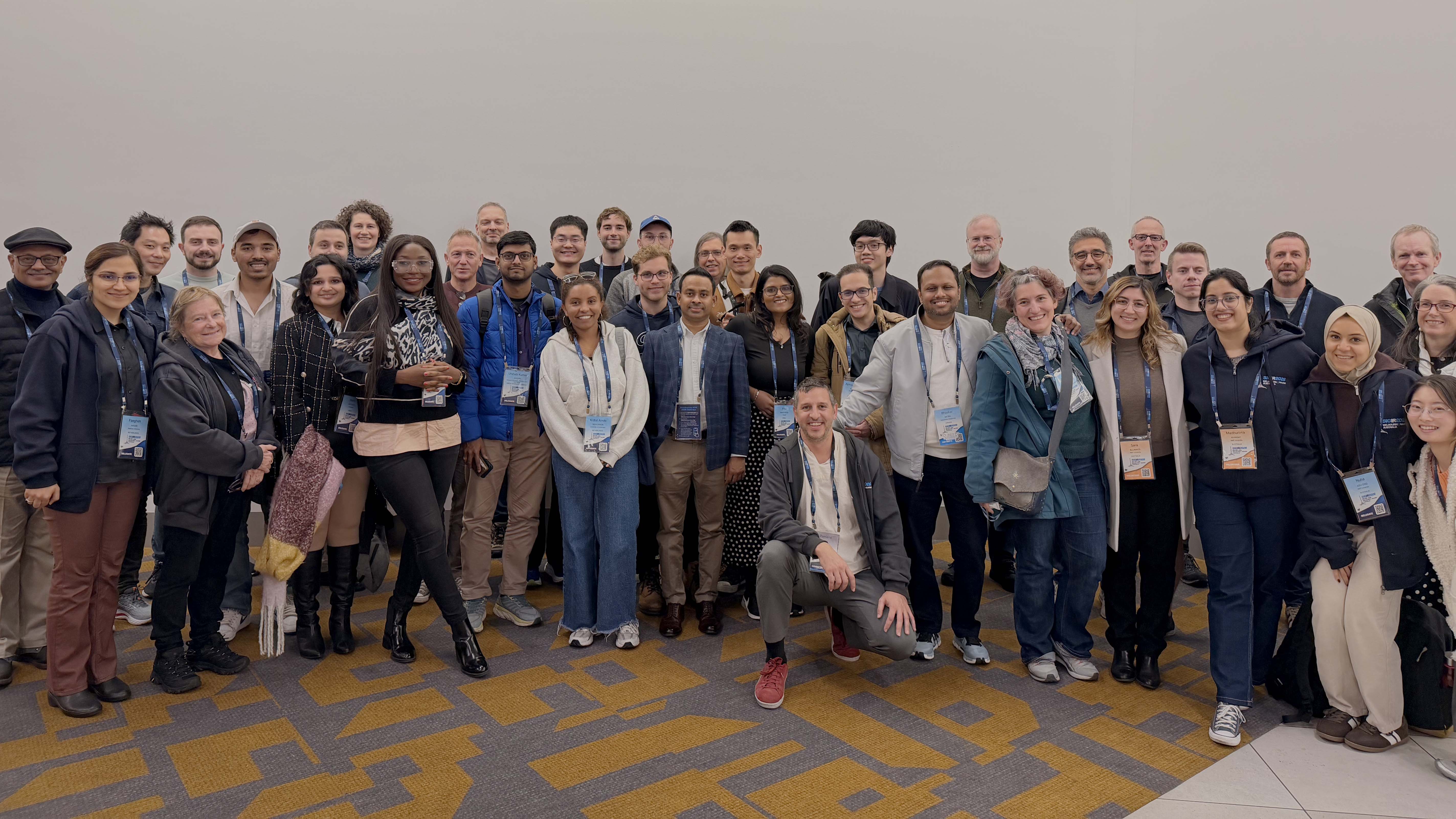
Josephina Muntuumo, a lecturer from NUST’s Faculty of Computing and Informatics recently participated at the 49th Association for Computing Machinery’s (ACM) Special Interest Group on Information Retrieval (SIGIR) Conference on Research and Development in Information Retrieval (SIGIR 2026). The event was held in Melbourne, Australia, strengthening the institutions international research profile.
Recognised as a premier conference in Information Retrieval, SIGIR 2026 brought together more than 1000 researchers, students, and industry professionals from across the globe. The conference featured keynote addresses, technical paper sessions, workshops, tutorials, demonstrations, and networking events. More than 650 accepted papers were also presented across multiple tracks covering emerging advances in Information Retrieval, Artificial Intelligence, search technologies, recommender systems, large language models, multimodal retrieval, retrieval-augmented generation (RAG), and research for low-resource environments.
Presenting her paper, “Offline-First Information Retrieval for Curriculum-Aligned STEM Resources in Low-Resource Namibian Schools,” in the Low-Resource Environments Track, Muntuumo’s study proposes an offline-first information retrieval approach that enables teachers and learners in connectivity-constrained schools to access curriculum-aligned STEM learning resources without relying on continuous internet connectivity. “By combining information retrieval techniques with curriculum alignment, the research aims to improve equitable access to quality STEM education in Namibia and other low-resource settings,” she explained.


Beyond presenting her work, Muntuumo said that she gained more than just valuable insight from world-leading researchers. “I established new collaborations, and gained valuable insights that will strengthen my research and teaching. The conference also reinforced the importance of developing Artificial Intelegence and information retrieval solutions that are designed for low-resource environments.”
Reflecting on the conference, Muntuumo encouraged more African researchers to participate in leading international conferences and contribute perspectives from low-resource settings. She highlighted that the Low-Resource Environments Track as an important platform for research addressing real-world challenges faced by underserved communities. She further implored that increased African participation will help ensure local challenges and innovations are represented in global research.