
Students Help Shape Brendan Simbwaye’s Future
Better neighbourhoods are built when communities have a voice in shaping their future. Beyond drawing maps and designing spaces, effective urban planning begins with listening to people, understanding their needs and turning local knowledge into practical solutions. This vision came to life when third-year students from the Bachelor of Urban and Regional Planning programme at NUST, in collaboration with the GIZ-ISUDII Project and the Brendan Simbwaye community, came together for a day of co-design to develop a Community Development Plan.
The co-design workshop formed part of the second-semester assessment for the Community-Based Projects (WCB701Y) course, giving students an opportunity to engage with and address a real-life planning project through a hands-on, practical approach grounded in the principles of learning by doing. This allowed students to engage directly with community members, understand local priorities and develop planning responses based on both spatial analysis and community knowledge,” said Daleen Brand, Spatial Planning Lecturer and WIL-Coordinator from the Department of Architecture, Planning and Construction.
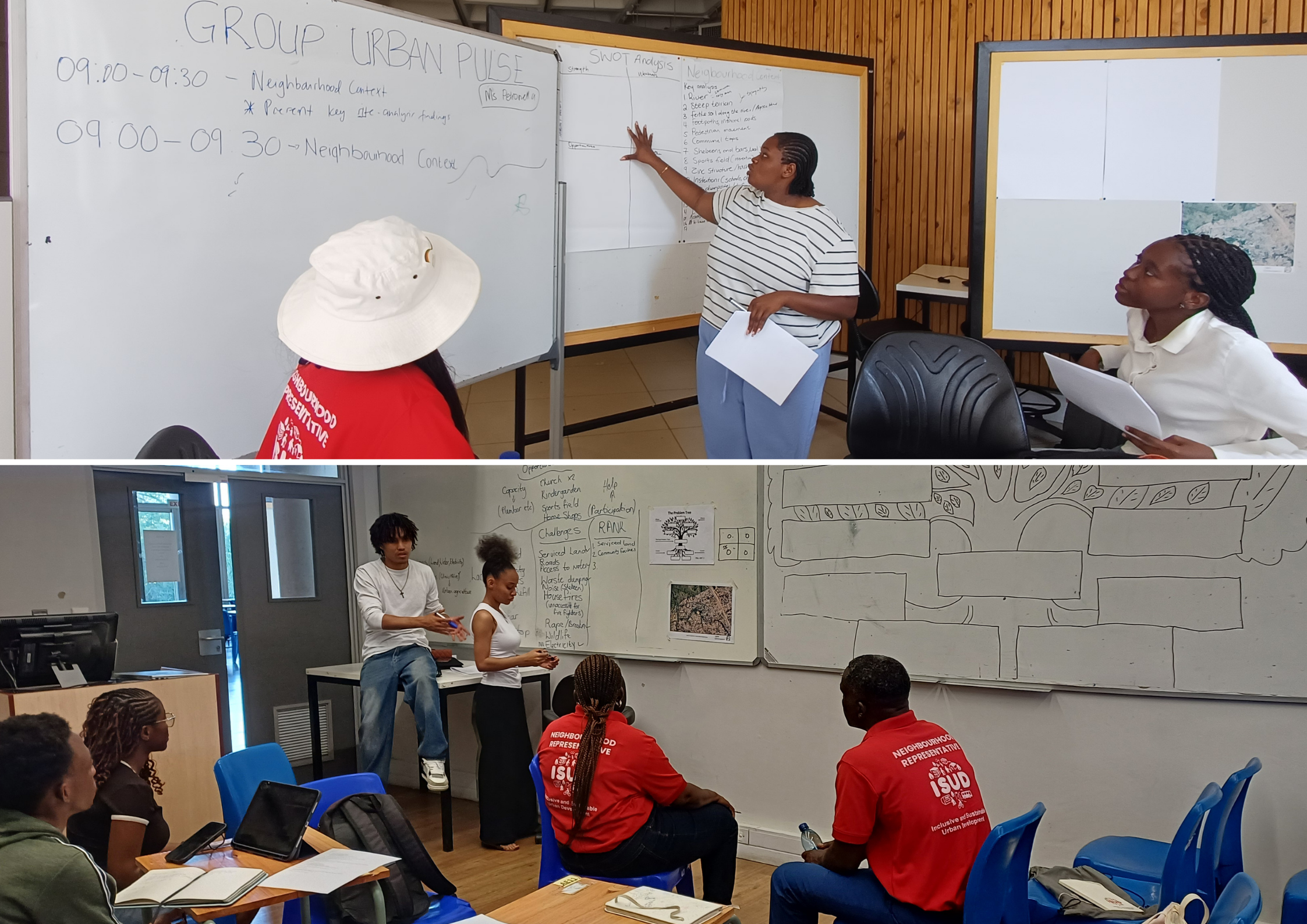
To lay the groundwork for the project, students conducted a site visit, which included a transect walk to assess the area across key themes such as mobility and accessibility, livelihoods and the local economy, the environment, community spaces and settlement patterns. Building on these observations, the students organised a co-design workshop in collaboration with task team members from the Brendan Simbwaye community, creating an opportunity to share insights, identify priorities and collectively explore possible solutions. “Each student team had to develop their agenda, decide on the participatory methodology to be used and assigned roles and responsibilities within their team,” explained third year Town and Regional Planning student, Jacobina Uuyuni.
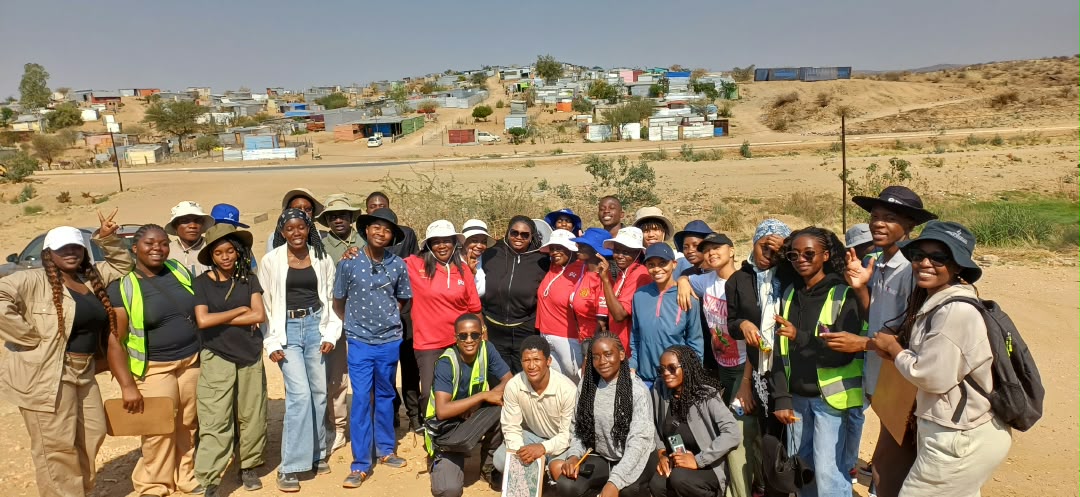
Students worked alongside the community to identify and prioritise key challenges and opportunities affecting the settlement, during the co-design workshop. Through participatory discussions and co-design activities, teams developed a shared neighbourhood vision, set strategic objectives and proposed interventions addressing community priorities, alongside high-level implementation plans to turn ideas into practical action. “Community participation is important because the people living in Brenden Simbwaye understand the challenges and opportunities within the settlement, and their involvement can help ensure that future developments respond to the actual needs of the community,” underscored Petronela Hambira, a Community Leader at Brendan Simbwaye.
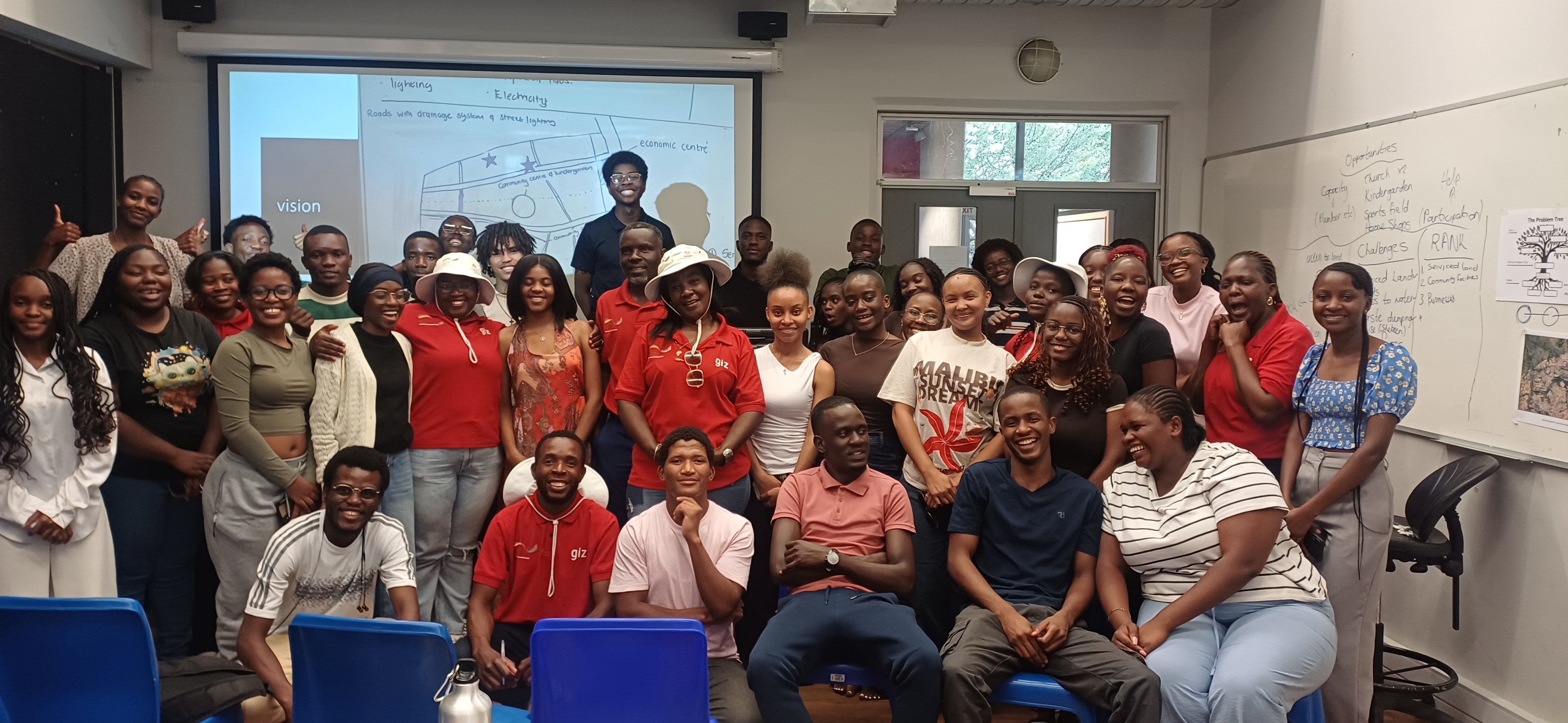
The day culminated in team presentations, where students shared their neighbourhood visions, proposed interventions and implementation approaches, followed by feedback and reflection. These outcomes will inform their ongoing assessments and guide the further development of their proposals into detailed planning layouts, ensuring that community priorities remain at the heart of the planning process.