
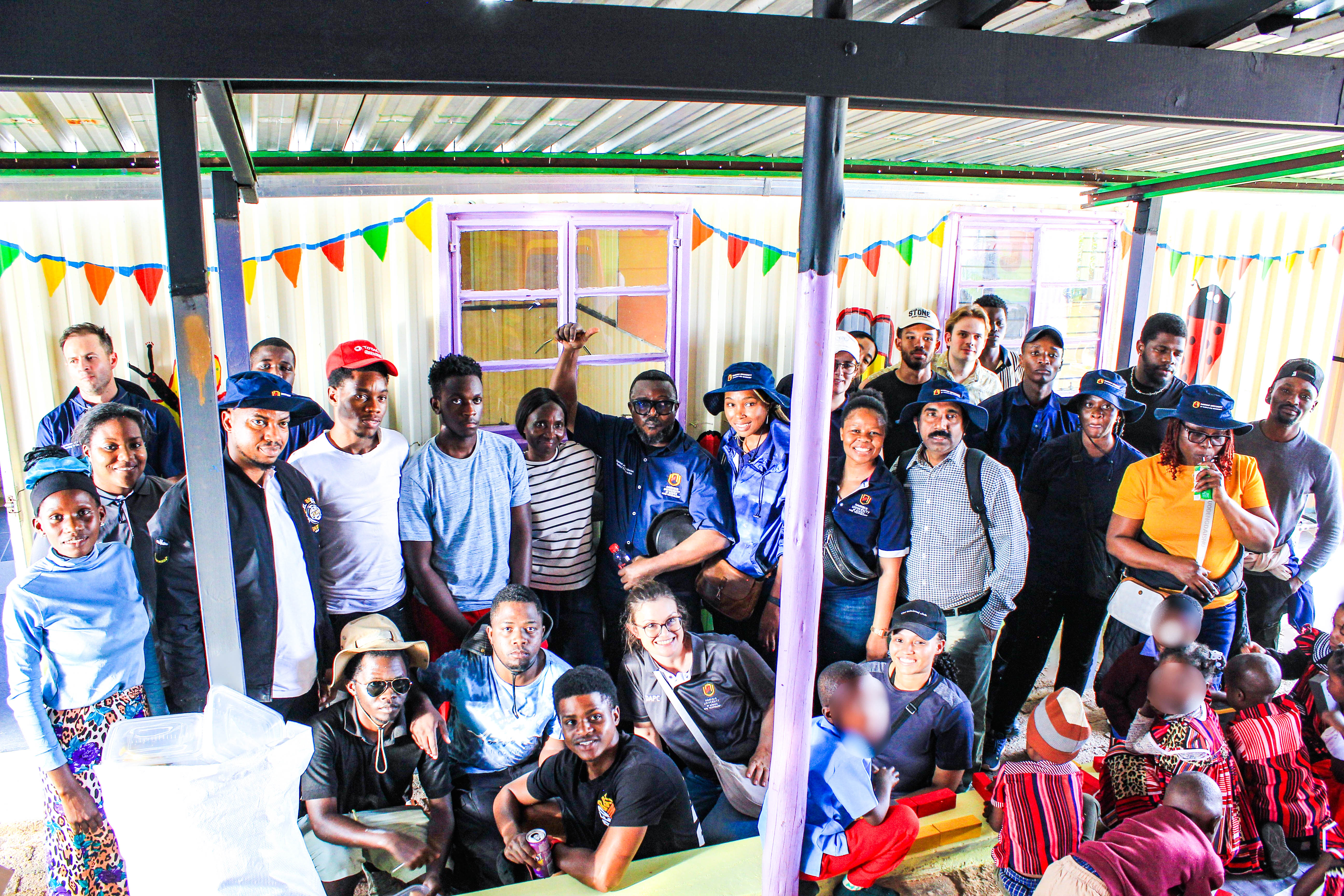
Building Brighter Futures for Hakahana’s Young Learners
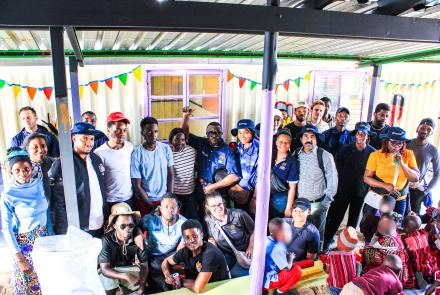
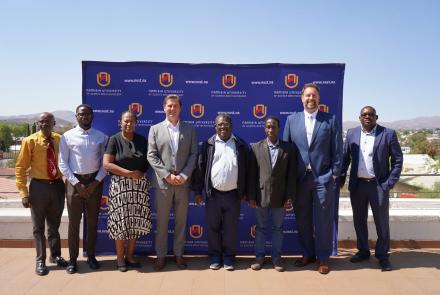
For young children, a safe classroom, clean water and a comfortable learning environment are more than basic necessities; they are essential building blocks for a brighter future. Recognising the importance of these conditions for early childhood development, the Namibia University of Science and Technology (NUST), through its Faculty of Engineering and the Built Environment, has partnered with Step out of Poverty through Education, Encouragement and Support (SPES) to improve learning conditions at Patrick Iyambo Pre-Primary School in Windhoek’s Hakahana area. The collaboration draws on NUST’s academic and technical expertise to address the school’s infrastructure challenges and create a safer, more supportive environment for its young learners.
The school faces several challenges, including leaking roofs, inadequate sanitation, unreliable water access and limited safe play areas. For NUST, however, addressing such challenges speaks to a broader responsibility to use its expertise to make a tangible difference in the communities it serves.
“The Faculty of Engineering and the Built Environment cannot operate in isolation. The true measure of our excellence is seen when we actively enrich and elevate the communities in which we serve,” said Prof Harmony Musiyarira, Executive Dean of the Faculty of Engineering and the Built Environment.
Phase 1: Addressing Essential Needs
The first phase of the initiative focused on addressing immediate needs and has been completed, marking an important milestone in the partnership. “The work addressed critical needs, including waterproofing roof edges and joints to reduce water ingress, installing rainwater harvesting and water storage facilities for cleaning, and introducing warmer, more hygienic flooring solutions in three classrooms,” explained Prof Madelein Stoffberg, Project Lead and Associate Professor in the Department of Architecture, Planning and Construction. The Department is under the Faculty of Engineering and the Built Environment.
Basic safety and security improvements also formed part of the first phase, alongside the provision of safe drinking water for learners and teachers. Together, these interventions contribute to a more comfortable and secure environment that supports early childhood development.
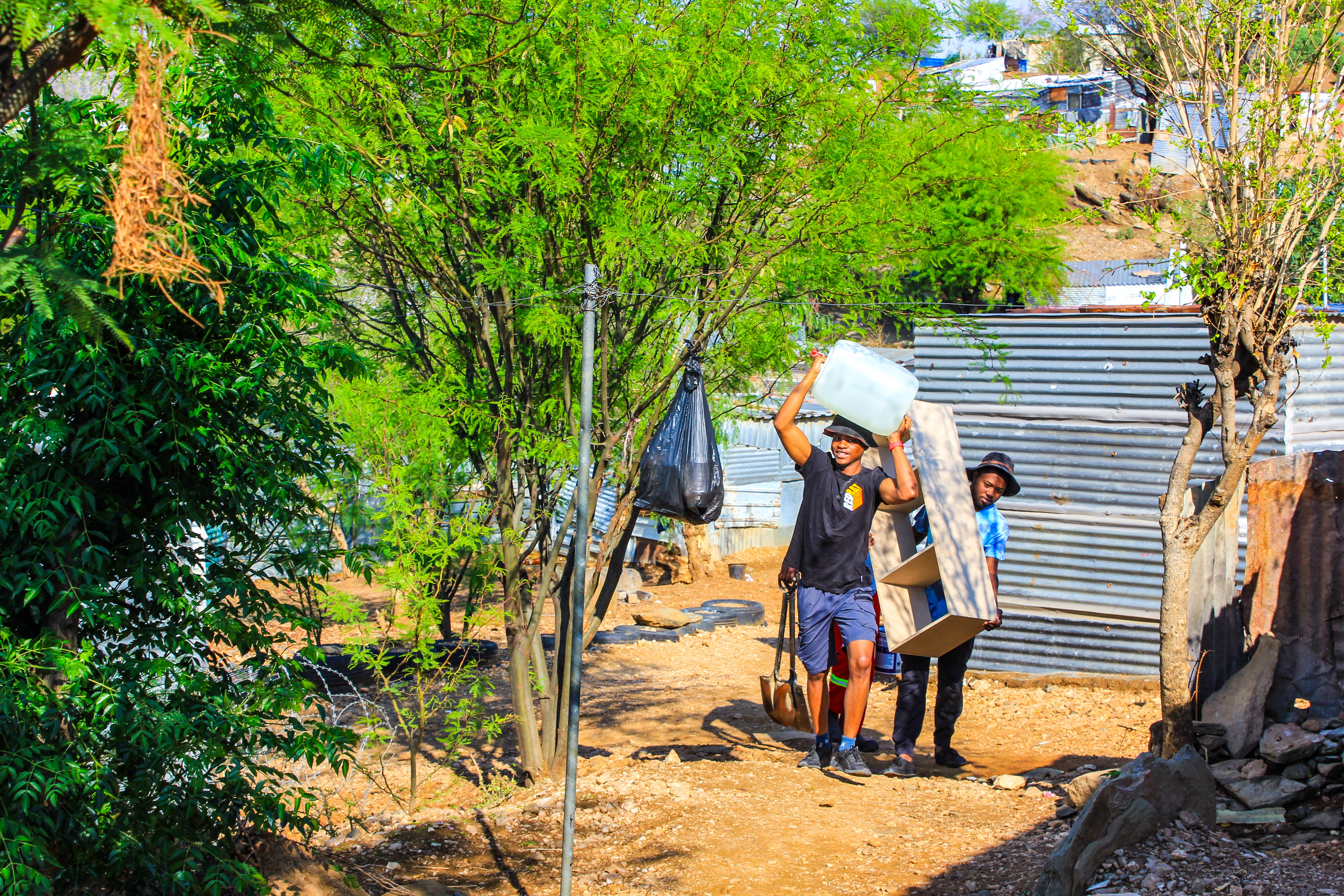
Phase 2: Enhancing the Learning Environment
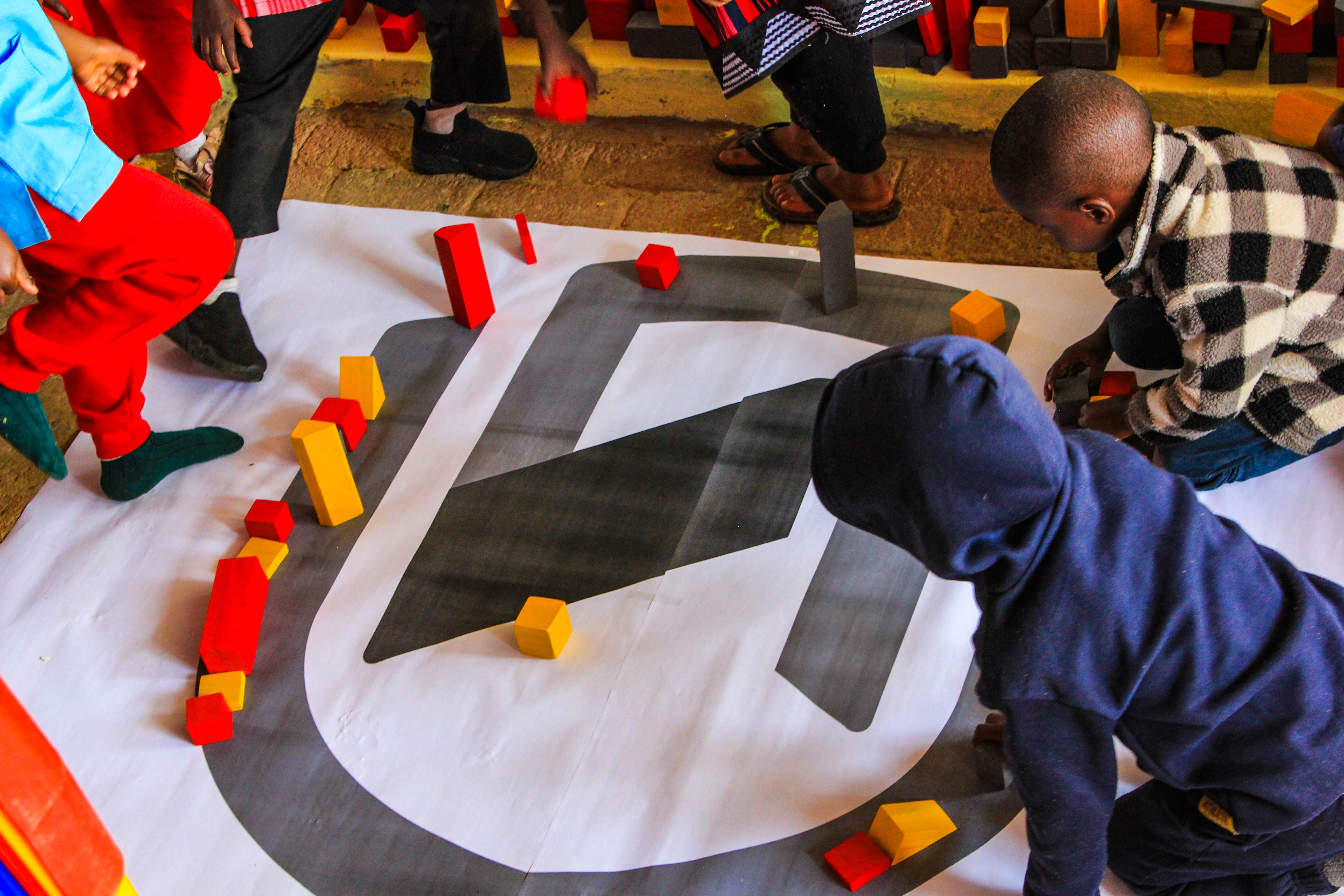
With the initial phase complete, attention now turns to Phase 2: Educational Enhancement, which is scheduled to commence by June 2027. This phase will focus on transforming the school’s five classrooms and afternoon care facility into more functional, comfortable and stimulating learning spaces.
“Improvements will include optimising classroom layouts, strengthening the educational environment and introducing dedicated storage for learners’ bags and lunchboxes to reduce clutter, minimise tripping hazards and keep personal belongings clean,” explained Prof Stoffberg.
Investing in Early Childhood Development
For more than 18 years, SPES has worked with local and international partners to strengthen preschool education through mentorship, regular evaluations and accountability. Through this initiative, NUST and SPES aim to improve learning conditions for 75 children aged 18 months to six years, supported by six teachers.
Through this partnership, NUST and SPES are investing in more than school infrastructure. They are helping create an environment in which young learners can explore, develop and thrive, laying a stronger foundation for their educational journeys and future opportunities.