
Building Namibia’s Nuclear Science Future Through Knowledge and Collaboration
From education and research to safety and regulation, NUST is helping lay the groundwork for the peaceful advancement of nuclear science in Namibia.
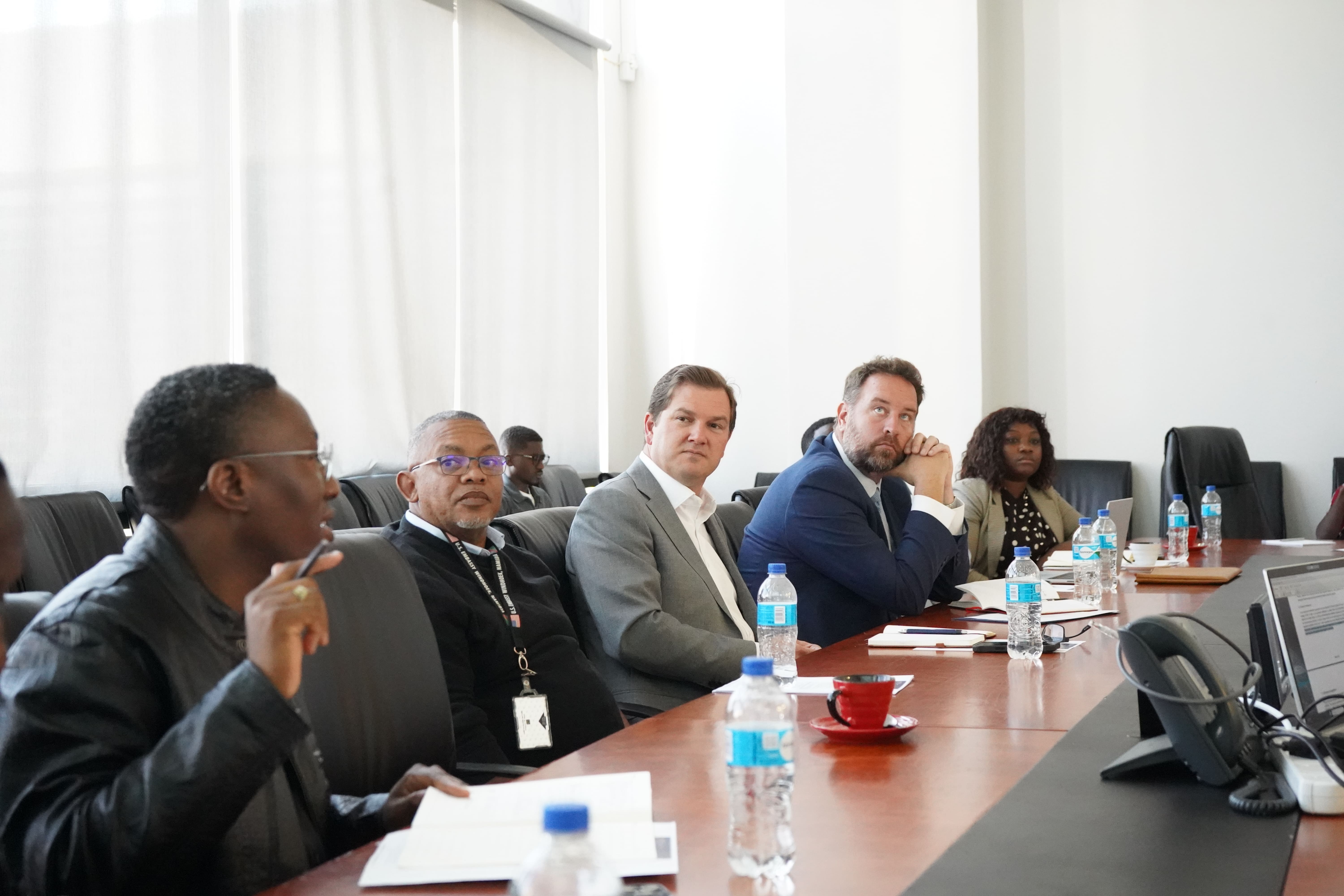
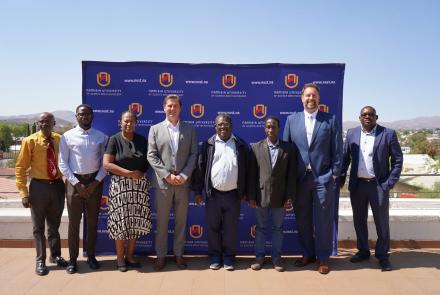
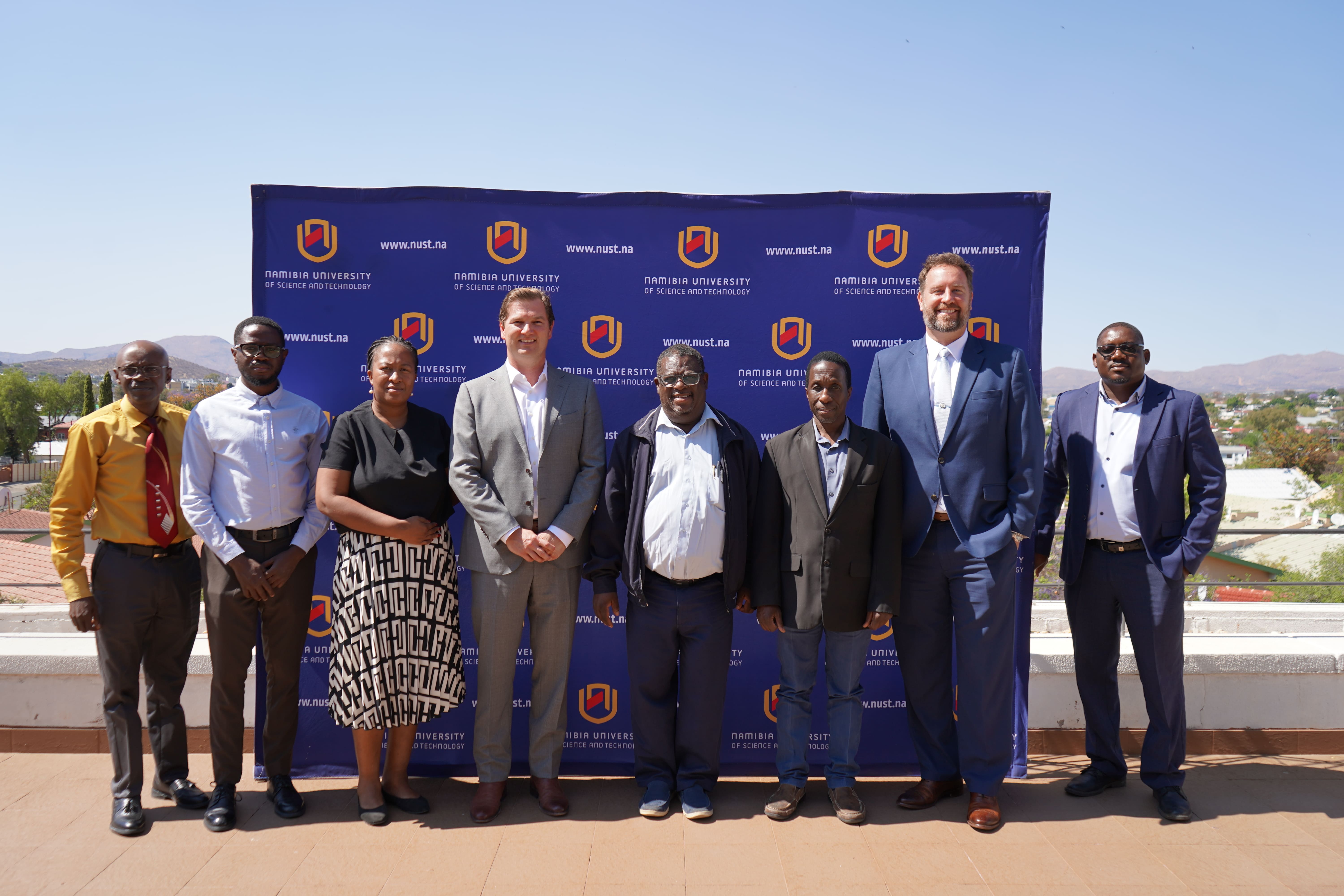
What role could nuclear science play in Namibia’s future, and what expertise is needed to harness its potential safely and responsibly? These questions took centre stage during a week-long Civil Nuclear Science Engagement Programme hosted by NUST in collaboration with the United States Embassy in Windhoek early in October 2026. The programme brought together experts and representatives from academia, government, regulatory authorities, industry and the scientific community to explore opportunities for developing Namibia’s civil nuclear science capabilities.
A key contributor was Dr Derek Haas, an Associate Professor of Nuclear and Radiation Engineering at the University of Texas at Austin in the United States. Drawing on American experience, he engaged participants on strengthening nuclear science curricula, fostering a robust safety culture, enhancing regulatory excellence and developing the skilled workforce needed to sustain nuclear science programmes. Discussions also explored research collaboration and the potential role of nuclear science in future energy planning.
Highlighting the foundation for this collaboration, Dr Vaino Indongo, a Physics lecturer at NUST who spearheaded preparations for the engagement, said, “With the existence of a Memorandum of Understanding (MoU) signed between NUST and UT in 2024, the engagement brought together key national institutions to help shape a coordinated approach to nuclear science.” Representatives from the Namibia Energy Institute (NEI), the University of Namibia (UNAM) and the International University of Management (IUM) also contributed to discussions, emphasising opportunities for student exchanges, joint research and stronger academic partnerships with the University of Texas at Austin.
At the heart of the engagement was the principle of “Atoms for Peace”, underscoring the importance of applying nuclear science responsibly for societal benefit. Participants stressed that education, safety, research and institutional capacity must remain central to Namibia’s ambitions. By creating space for dialogue and knowledge-sharing, NUST and its partners are helping lay a foundation for sustainable nuclear science programmes and stronger international scientific cooperation, positioning knowledge and collaboration as essential building blocks for Namibia’s future.