
NUST and SASSCAL launch second cohort of SGSP-IWRM doctoral students
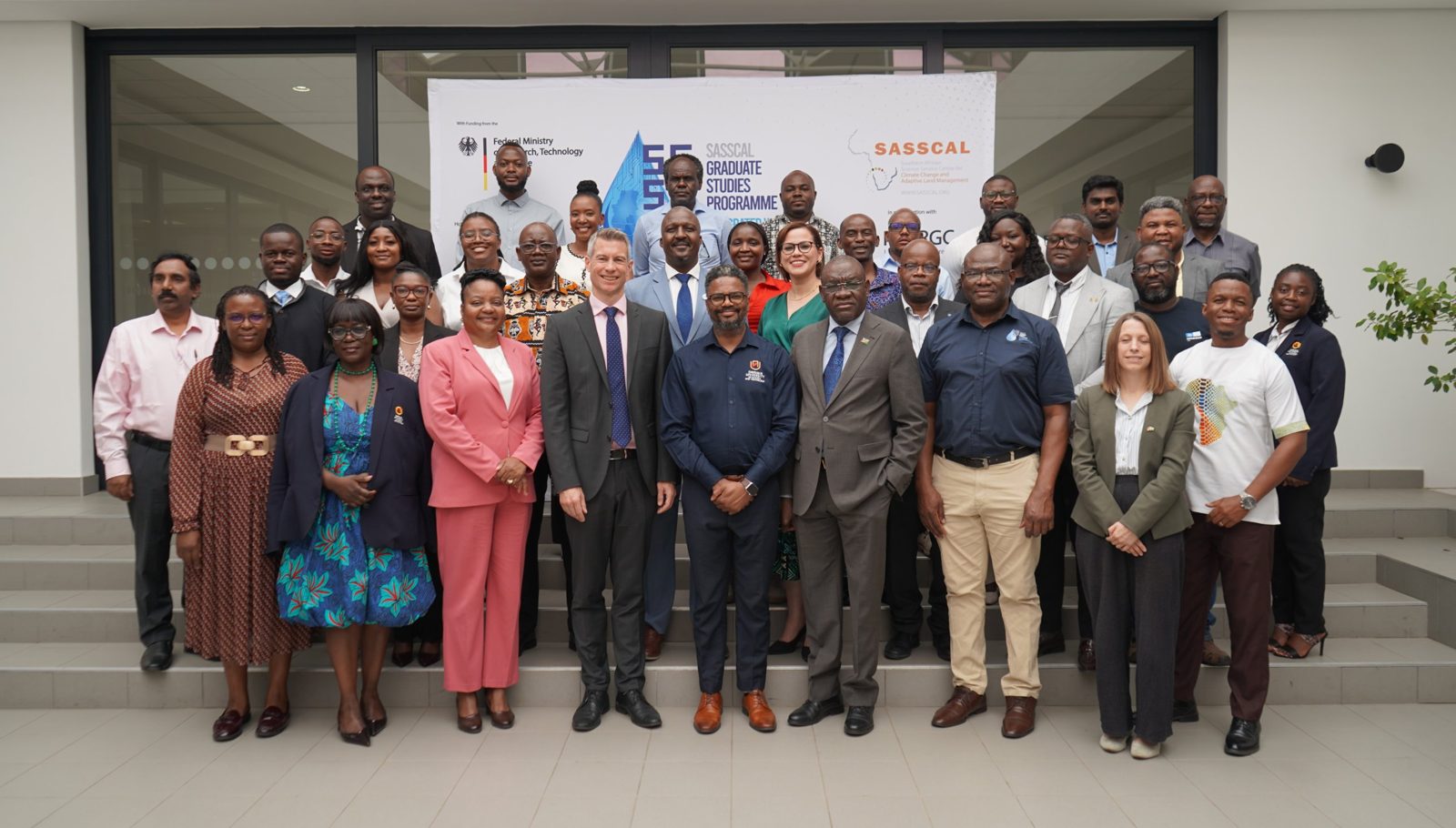
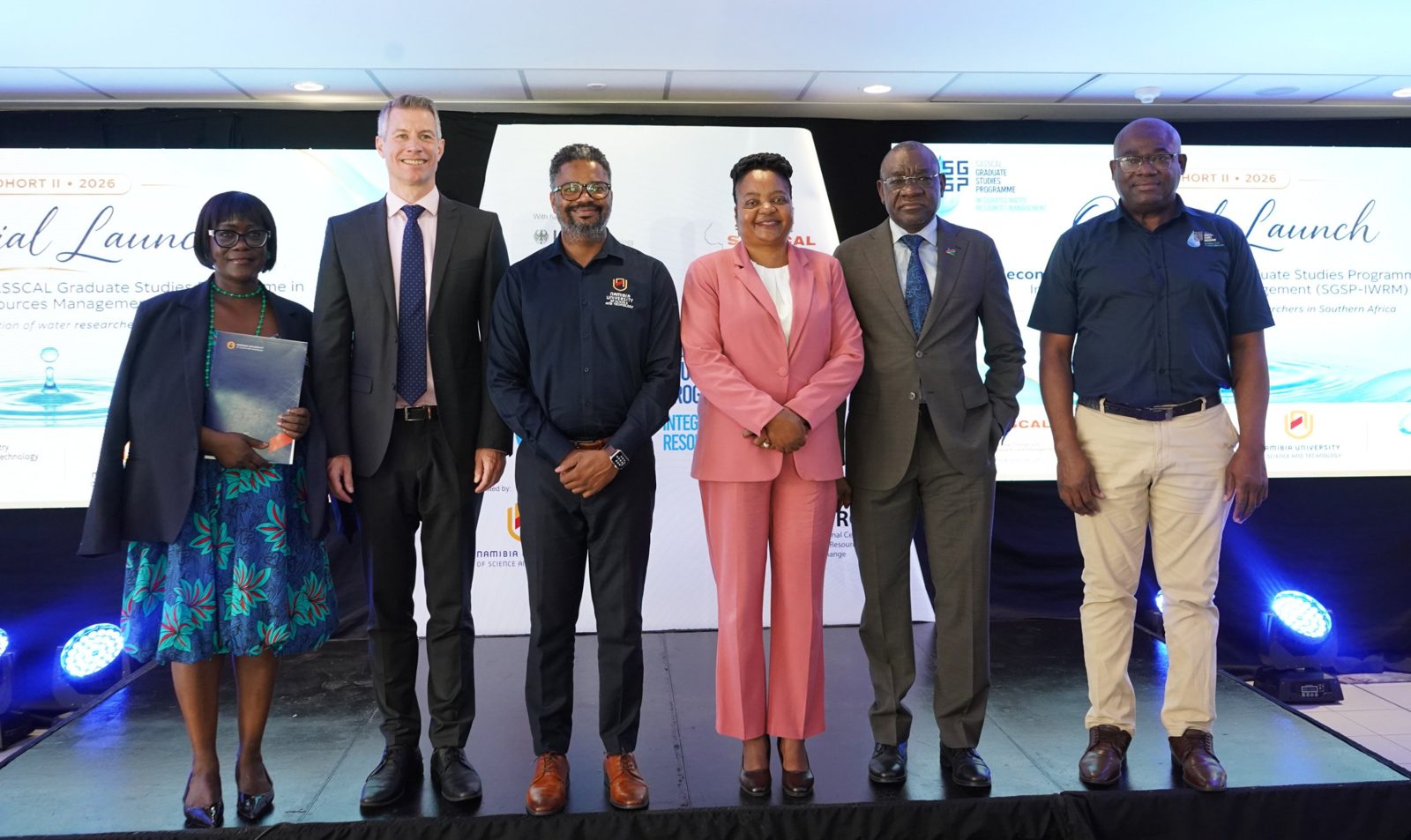
The Namibia University of Science and Technology (NUST) and the Southern African Science Service Centre for Climate Change and Adaptive Land Management (SASSCAL) officially launched the second cohort of the SASSCAL Graduate Studies Programme in Integrated Water Resources Management (SGSP-IWRM) at NUST on 18 November 2026.
The cohort comprises 15 doctoral scholarship recipients from Angola, Botswana, Namibia, South Africa and Zambia. Their research covers areas including groundwater, water quality, climate change and disaster management, transboundary water resources, artificial intelligence, wastewater surveillance, flood modelling and rainwater harvesting.
Speaking on behalf of NUST Vice-Chancellor Prof Frednard Gideon, Prof Colin Stanley emphasised the importance of research that goes beyond academic outputs and addresses practical needs.
“Your work should not sit on the shelf.” He encouraged the researchers to pursue original and ethical research, collaborate across disciplines and consider how their findings could contribute to communities, policy and practice. He added that the success of the programme should be reflected not only in doctoral completions but also in the quality of research, the partnerships established and its contribution to addressing water challenges.
SASSCAL Governing Board Chairperson Mr Teofilus Nghitila highlighted the importance of continued investment in research, innovation and scientific capacity, particularly as Namibia and the wider region respond to increasing pressure on water resources.
“We cannot manage what we do not understand.” He noted that research is critical to understanding groundwater resources, safeguarding them from pollution and developing appropriate water management solutions.
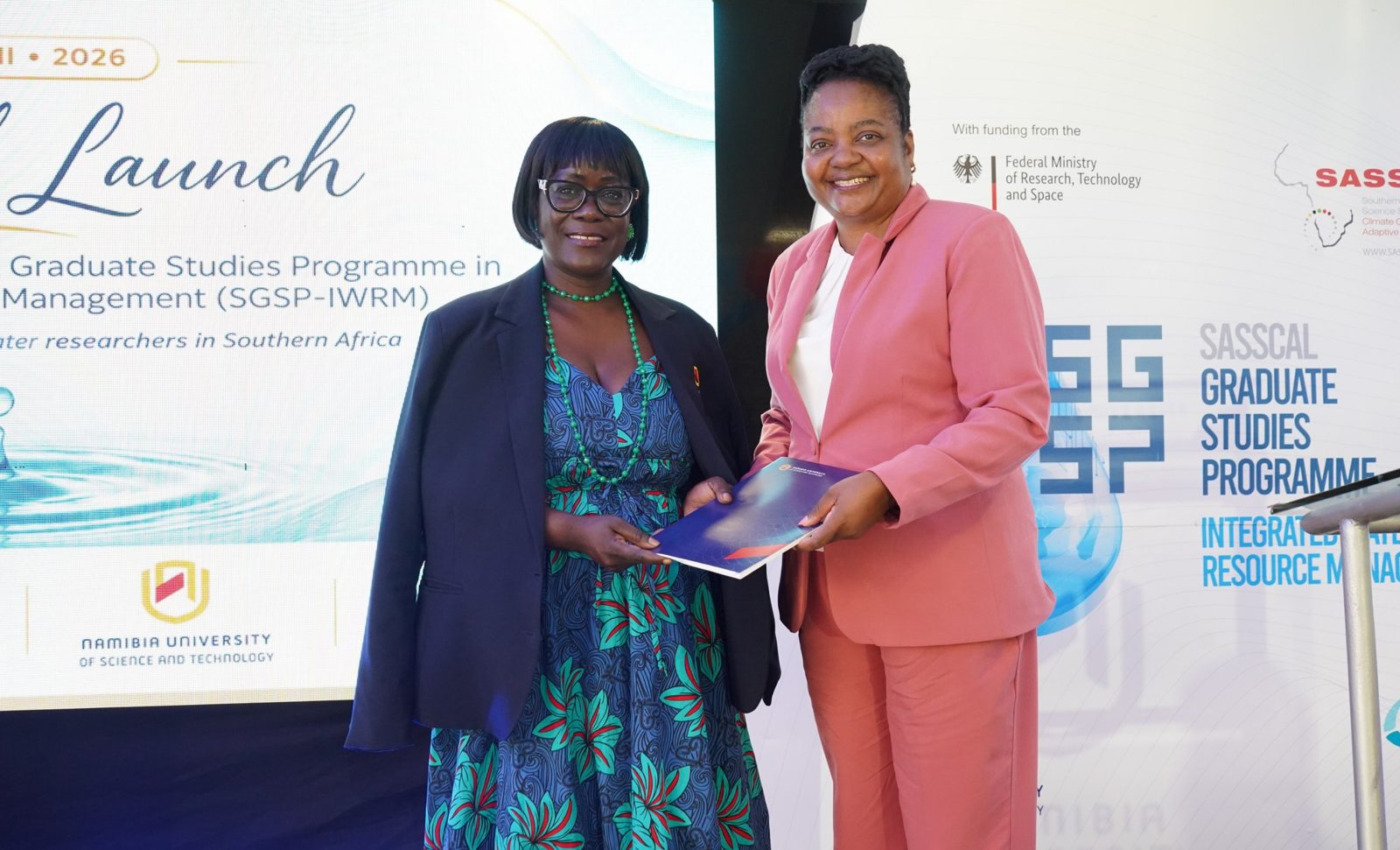
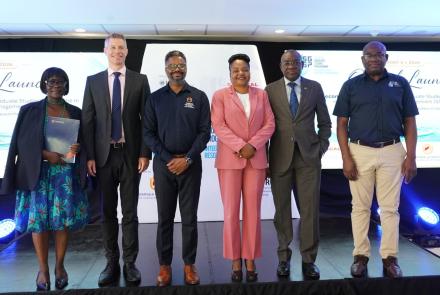
The launch also marked the formal handover of a €1.6 million scholarship transfer agreement by SASSCAL Executive Director Prof Nelago Indongo to NUST. Funded by the Federal Republic of Germany through the Federal Ministry of Research, Technology and Space, the agreement supports the 15 doctoral candidates in the programme’s second phase.
The second cohort builds on the first intake, of which 11 of the 13 doctoral candidates had graduated by the time of the launch.
The new researchers will now proceed with their doctoral studies, supported through supervision, research development, and scientific collaboration.