
Contribution to Global Legal Scholarship
...a new chapter by Prof Masake
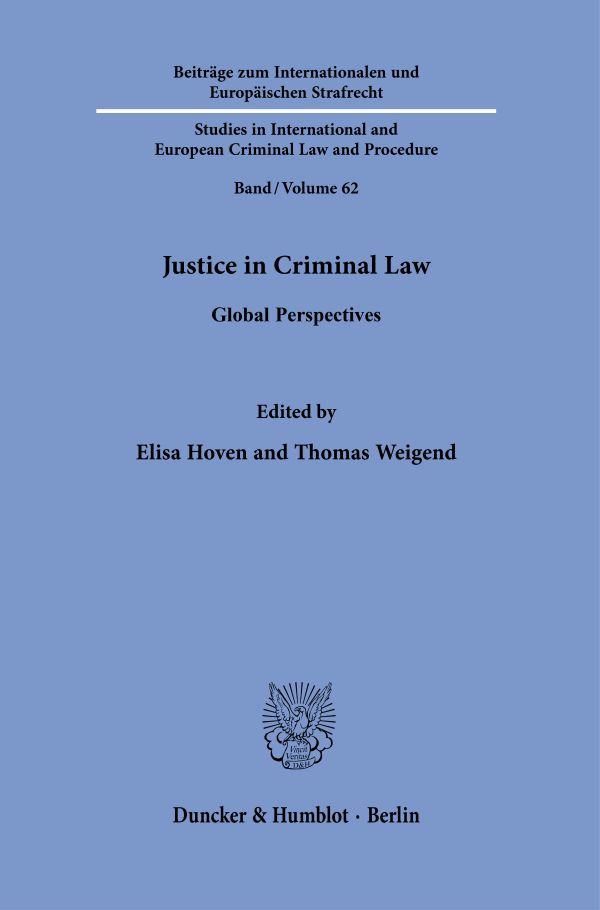
Prof Pilisano Masake, the Executive Director in the Office of the Vice-Chancellor, recently co-authored a chapter in the book Justice in Criminal Law. He is a lifelong learner, with over 130 publications, and he completed an MBA with NUST marking his fourth Masters degree, and is due for graduation in May. He holds two Doctoral Degrees in Law; and Forensics whilst currently pursuing a third PhD in Business Administration.
Prof Masake was interviewed by the NUST Brief and shared his inspiration and goals.
Q: What inspired your contribution to your recent publication?
A: Contributing to this volume, edited by Elisa Hoven and Thomas Weigend, was an opportunity to continue to bring Namibian scholiastic voices on critical global conversation, including criminal justice. The book examines the foundational principles of criminal law and how justice systems put ideas like fairness, accountability, and due process into practice. For me, it was also important that Namibian legal scholarship speaks confidently on the international stage.
Q: Why is it important for Namibia to be part of global discussions on criminal justice?
A: Justice systems around the world are facing rapid change, from technological disruption to evolving international norms. Academic voices from institutions like NUST can help shape those conversations. By participating in comparative research, we ensure that Namibia’s experiences and perspectives contribute to global legal thinking.
Q: In your view, what does “true justice” mean in the Namibian context?
A: True justice is not simply about complying with global norms. It is about legitimacy within lived reality. In Namibia, that means harmonising constitutional human rights guarantees with customary law traditions, linguistic diversity, and socio-economic realities. Justice must be accessible and contextually grounded, not just theoretically or doctrinally correct.

Q: Your research also explores forensic linguistics. Can you tell us about your study on suicide notes in Northern Namibia?
A: In that study, we examined how language in suicide notes can function as more than communication. It can serve as psychological evidence and socio-cultural testimony. The research highlights the need for courts to approach linguistic evidence with scientific rigor while also recognising cultural context and sensitivity.
Q: How do these different research areas connect to your broader academic mission?
A: Whether engaging global debates through Justice in Criminal Law or examining local realities through empirical research, the goal is the same: bridging principle and practice. Justice is not static. It is continuously negotiated between global standards and local experiences.
Q: Finally, what role do you see NUST playing in shaping the future of legal scholarship?
A: NUST is committed to rigorous, globally engaged research that also speaks to the realities of our society. Through scholarship and collaboration, we can ensure that Namibia remains an active contributor to international legal discourse while addressing the needs of our own justice system.