
NUST Unveils Namibia’s First Genome Sequencing Platform
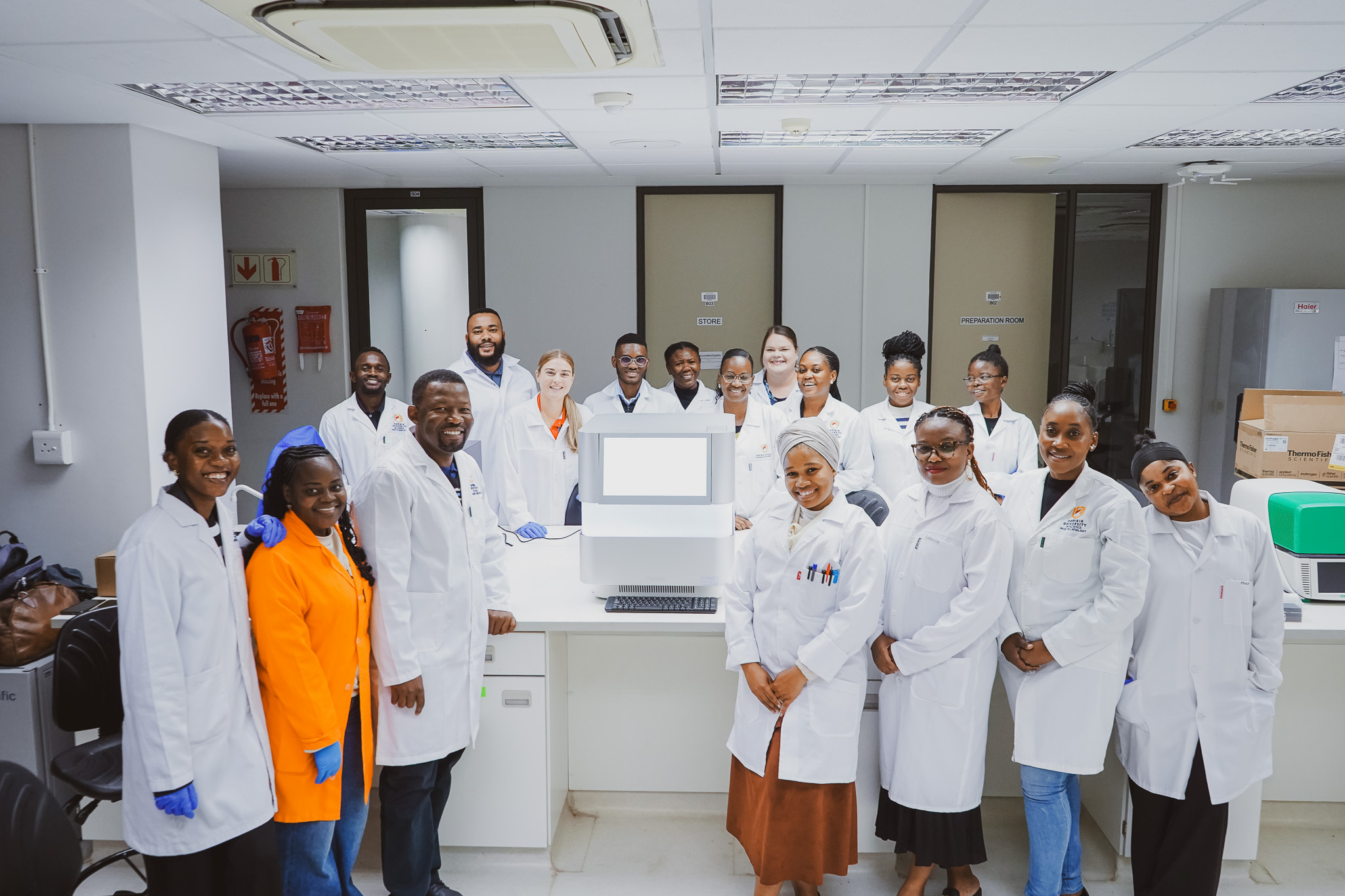
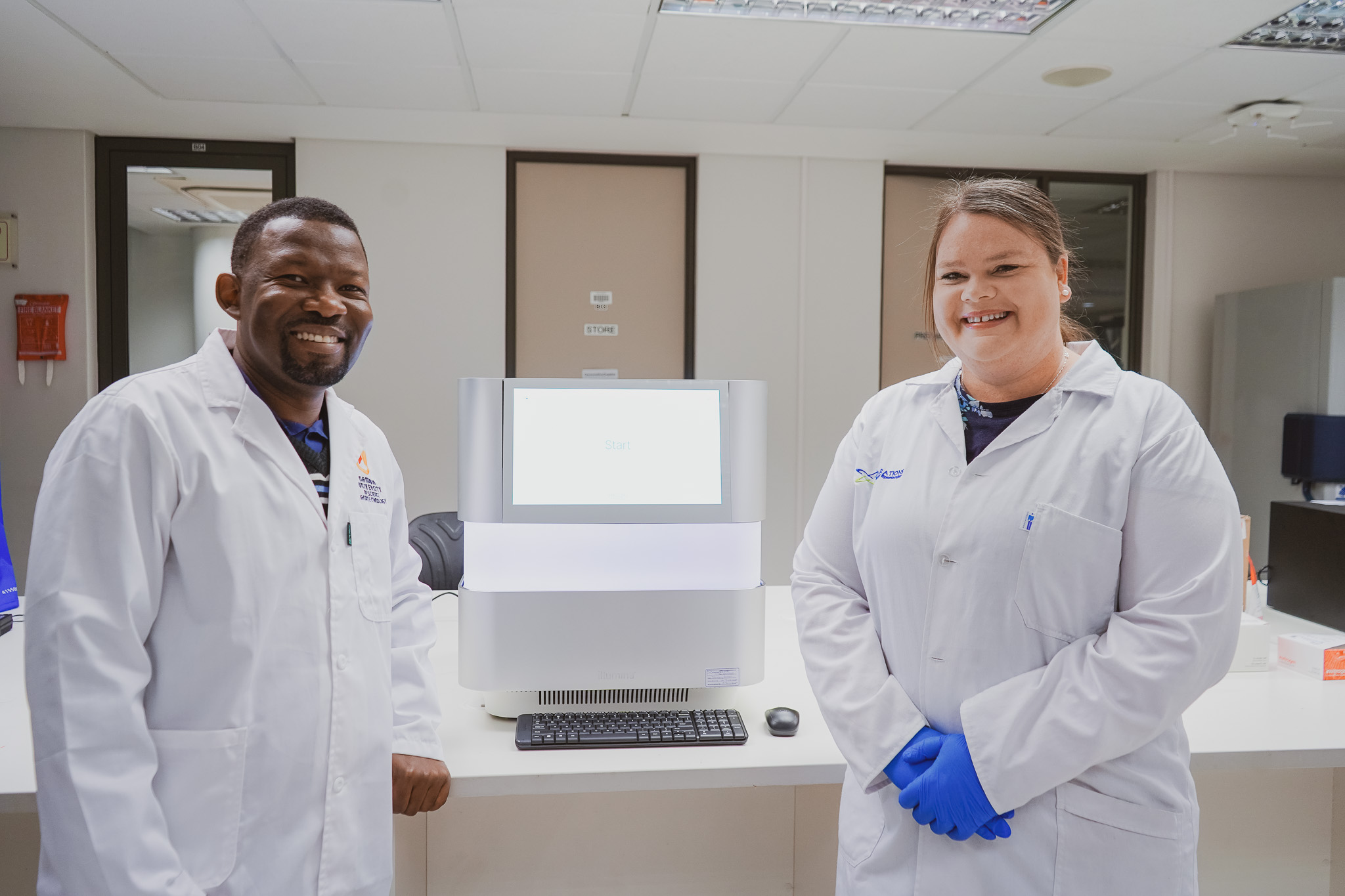
A new chapter in Namibia’s scientific journey has begun with the arrival of the country’s first high-throughput genome sequencing platform at the Namibia University of Science and Technology (NUST). The state-of-the-art Illumina NextSeq 2000 will enable researchers to analyse DNA locally, reducing the need to send samples overseas while strengthening Namibia’s capacity for scientific research, innovation and healthcare. The milestone reinforces NUST’s commitment to building world-class research infrastructure and advancing solutions to national and global challenges.
“Having the country’s first high-throughput Next-Generation Sequencing (NGS) platform represents a defining moment for scientific research in Namibia,” said Prof Lamech M. Mwapagha, Associate Professor of Medical Biochemistry. “We now have the capacity to conduct advanced genomic sequencing locally, enabling our researchers to generate high-quality data within the country while reducing dependence on international facilities,” he elaborated.
Transforming Genomic Research in Namibia
NGS has transformed biological and biomedical research by enabling rapid, high-throughput analysis of DNA and RNA. Its applications span human health, infectious disease surveillance, cancer research, antimicrobial resistance monitoring, agriculture, biodiversity conservation and environmental genomics.
By bringing this technology to Namibia, NUST is creating new opportunities for locally driven scientific discovery and innovation.
The successful sequencing of the first Namibian human whole genomes entirely within Namibia marks a defining milestone in the country’s scientific history. For the first time, Namibia has demonstrated the capability to perform high-quality human whole-genome sequencing locally, laying the foundation for precision medicine and population genomics.
According to Mwapagha locally generated genomic data will improve understanding of the genetic diversity of Namibian populations, enable the identification of population-specific disease-associated variants, and support the development of diagnostics, therapeutics, and preventive healthcare strategies tailored to local needs.
“It also positions Namibia to contribute valuable African genomic data to global research efforts, helping address the longstanding underrepresentation of African populations in international genomic databases,” he added.
Building Local Expertise
To ensure the successful implementation of the platform, Illumina specialists from Separations South Africa recently conducted comprehensive technical training for NUST staff and postgraduate students. Led by Senior Applications Specialist: Molecular, Dr Natasha Kitchin, the programme combined theory with practical sessions covering the complete sequencing workflow, including sample preparation, library construction, instrument operation, quality assurance, sequencing performance monitoring and primary data analysis.
Built on Illumina’s internationally recognised Sequencing by Synthesis (SBS) technology, the NextSeq 2000 supports a wide range of applications, including whole genome and exome sequencing, RNA sequencing, cancer and pathogen genomics, microbiome analysis, population genomics and genetics, and biodiversity research. Its scalable design allows researchers to undertake projects ranging from small laboratory studies to large population-scale investigations.
The platform is expected to transform research and postgraduate training at NUST by giving students and researchers access to advanced sequencing technology within Namibia. Local sequencing capability will shorten research timelines, reduce costs associated with overseas laboratories, strengthen international collaborations and enhance the University's competitiveness in attracting research funding.
A National Resource for Scientific Innovation
Beyond the university, the investment represents an important national resource. The platform will support genomic surveillance during disease outbreaks, advance precision medicine, strengthen agricultural research, and contribute to biodiversity conservation and environmental management. It also positions NUST to provide sequencing services to universities, hospitals, government laboratories and industry across Namibia and the region, fostering collaboration while contributing to Southern Africa's growing scientific capacity. "This platform is far more than a research instrument; it is an investment in Namibia's scientific future. It will strengthen our ability to respond to public health challenges, support innovation in agriculture and biodiversity conservation, train the next generation of genomic scientists, and position NUST as a regional hub for genomics, bioinformatics and biotechnology," Prof Mwapagha said.