
Lights, Camera, Opportunity: Inside NUST’s Creative Revolution
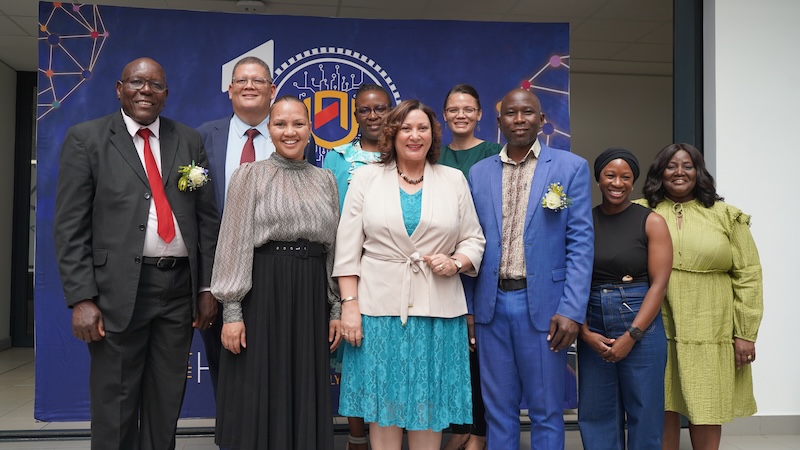
Less than a year since its official launch, NUST’s Department of Digital Arts and Animation (DAA) is a creative movement rapidly gaining momentum.
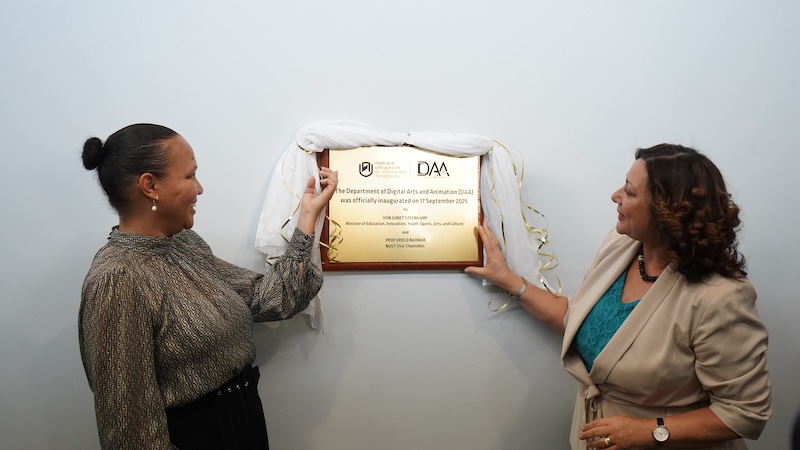
Launched on 17 September 2025, the Department was created to fill a gap in Namibia’s creative education landscape. For years, many young creatives interested in animation, film, and storytelling had limited local opportunities to formally develop those skills. Now that picture is beginning to change, particularly as Her Excellency Dr Netumbo Nandi-Ndaitwah, President of the Republic of Namibia, has identified the creative sector as a strategic national priority.
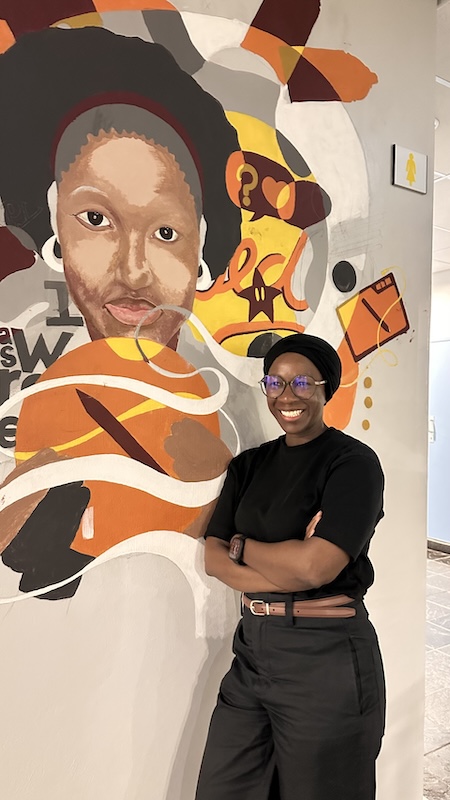
Behind the scenes, establishing the DAA required extensive planning and coordination. According to Head of Department Ms Jordaania Andima, the process involved curriculum development, industry consultations, building partnerships, sourcing scholarships, and assembling a teaching team from scratch. “What made it so meaningful was the shared belief that Namibia needs dedicated spaces for digital, film, and creative skills,” she said. “Seeing that vision come to life has been incredibly fulfilling.”
Significant Support
And that vision is clearly resonating. Since its launch, the Department has attracted strong interest from those eager to sharpen their skills. Partnerships with organisations such as the Namibia Film Commission (NFC), MultiChoice Namibia, the National Arts Council of Namibia, the Namibian Broadcasting Corporation, and Inchiology Studios have helped create numerous opportunities for students. Earlier this year, the DAA also formalised its growing relationship with the NFC through a Memorandum of Understanding aimed at expanding opportunities for young creatives.
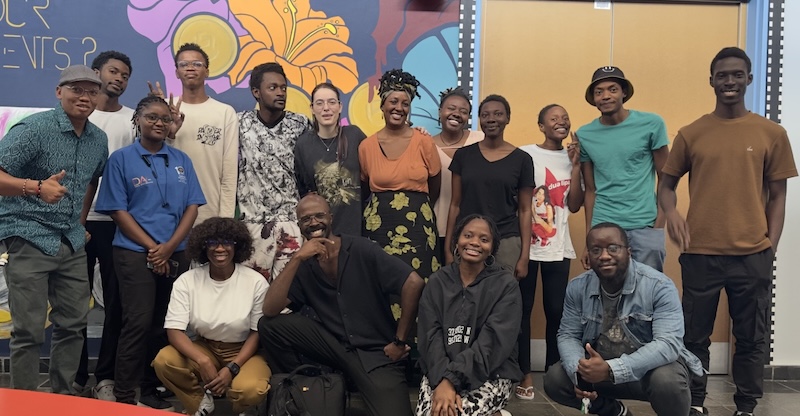
One of the clearest signs of momentum came through the Department’s short courses, where students recently completed programmes ranging from filmmaking to animation. The first cohorts included aspiring storytellers, professionals already working in the industry, and creatives from marginalised communities, including persons with disabilities.
The intensity of the programmes surprised many students. Yet despite the demanding schedule, the commitment from students stood out immediately. “What truly impressed us was their dedication and eagerness to learn,” Andima said. “Over a short period, we observed impressive growth in their confidence, technical skills, and storytelling abilities.”
Sparked a Passion
For student Henry Kays, the experience became far bigger than he initially expected. Originally coming from a music production background, Kays enrolled in the Foundations in Filmmaking short course because he wanted to better understand the world of film scoring. Instead, he found himself pulled deeper into filmmaking and animation. “At first, I just wanted to learn the basics of filmmaking,” he said. “But along the way, what I learnt sparked a much deeper passion in me.” Now continuing his studies in 2D Animation, Kays says the DAA helped him connect multiple creative interests into one possible career path.
For fellow student Wanya Eloff-Rees, the Department represented something Namibia has long lacked: accessible creative education opportunities. “I was motivated to join because there is such a severe lack of creative study opportunities in Namibia,” she said. What she found at the DAA was not only technical training, but an environment that actively encourages experimentation, collaboration, and creative confidence. “Everyone is so supportive. I go home with so many ideas and a renewed desire to draw and create.”
Industry-Centred Approach
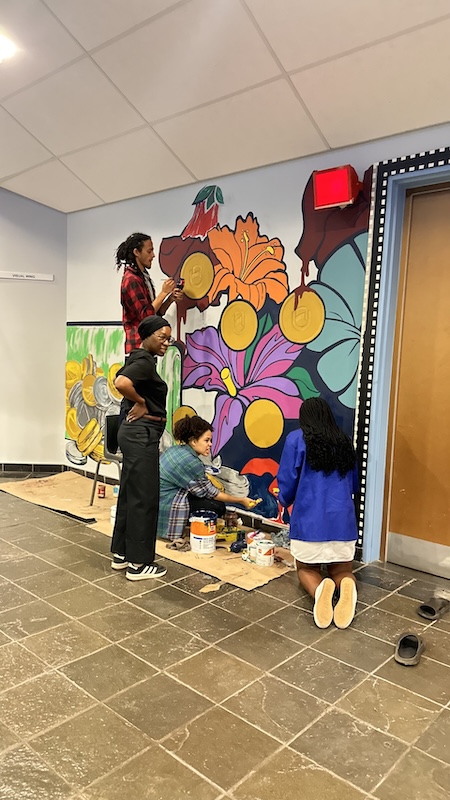
The DAA’s industry-centred approach has also become one of its defining strengths. Students are not only learning theory in classrooms; they are learning directly from people actively shaping Namibia’s creative sector.
This year’s Namibia Film Week, hosted at NUST, became a major example of that philosophy in action. The event attracted more than 1 000 attendees and brought filmmakers, producers, creatives, and students into the same space. For Andima, the significance extended beyond hosting a successful event. “It transformed learning from mere theory into real, hands-on involvement with the industry,” she said.
Students attended workshops, screenings, and networking sessions that exposed them to the realities of filmmaking and storytelling. The event also reinforced an important point: creative education cannot exist in isolation from industry, a principle that remains central to NUST’s broader approach to teaching and learning.
Enormous Value
The Department’s teaching team reflects that same thinking. Among the professionals currently contributing to the DAA is part-time lecturer Mr Patrick Sam, who recently won Best Production/Set Design at the Namibia Theatre and Film Awards. The DAA has also brought in accomplished actor and producer Mr Obed Emvula, known for the popular film ‘Katutura’, to teach Scriptwriting for Film and Foundations of Filmmaking. Their involvement strengthens the Department’s industry relevance, giving students direct exposure to professionals actively shaping Namibia’s film landscape.
According to Andima, having professionals like Sam and Emvula involved in teaching adds enormous value. “Their presence exposes students to real-world standards and professional expectations that are essential for success in the creative industries,” she said.
Biggest Milestone Yet
The DAA is now preparing for what could become its biggest milestone yet: the introduction of Namibia’s first Bachelor’s degrees in Digital Arts and Animation, as well as Film and Television Production. The planned programmes are designed to balance Namibian realities with global industry trends. With a strong emphasis on storytelling, digital skills, entrepreneurship, and employability, the qualifications aim to be industry-relevant, future-oriented, and deeply connected to both Namibian and African creative contexts.
Looking ahead, the Department also hopes to broaden its footprint through workshops, masterclasses, and student exchange opportunities. Importantly, the DAA continues to offer short courses in both the first and second semesters on a part-time and full-time basis, subject to demand. Applications for the second semester will soon reopen. Andima encouraged aspiring creatives to explore the opportunities available on the Department’s website and even visit the learning spaces firsthand. “Most importantly, I would encourage anyone considering this path to start by believing that their stories matter,” she said.