
NUST Charts a Strategic Pathway Towards a Future-Oriented, Industry-Responsive and Transformative Curriculum
What should a NUST graduate look like in a rapidly changing world? How must the University transform its academic programmes to prepare graduates for emerging industries, technological disruption and the evolving demands of the labour market? And, importantly, how can higher education contribute more directly to addressing Namibia's development priorities?
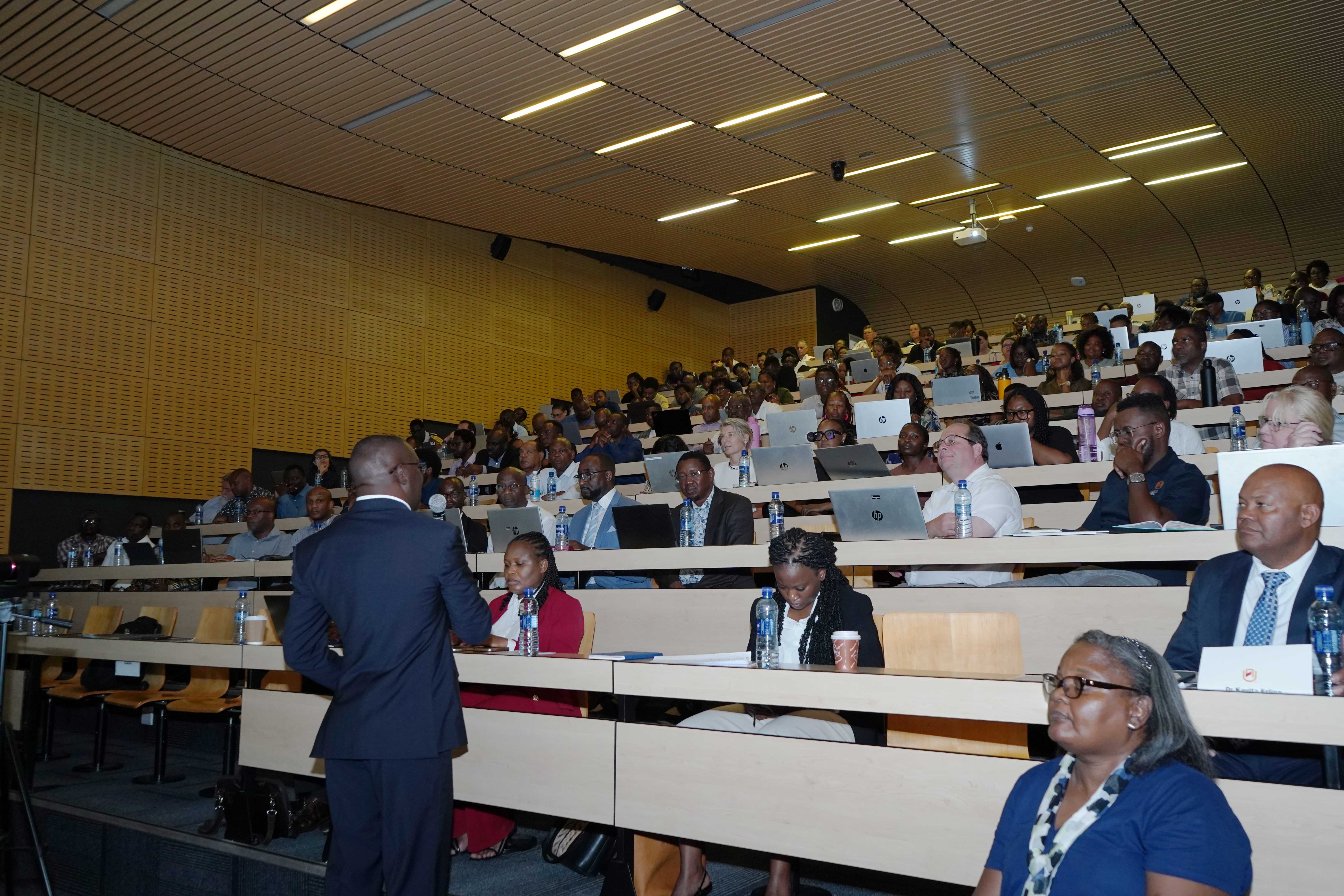
These were among the central questions explored at the Namibia University of Science and Technology's (NUST) University-Wide Curriculum Transformation Summit 2026, held under the theme "Transforming the Curriculum for Scientific Innovation, Technological Advancement and National Development."
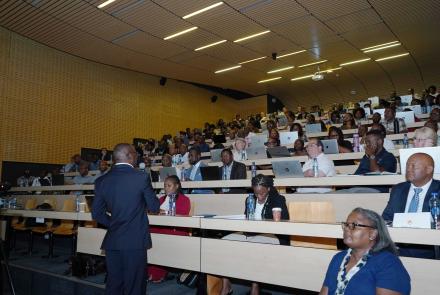
The summit brought together university leadership, academics, students, industry representatives, government institutions and strategic stakeholders to deliberate on the future direction of NUST's academic programmes and the competencies required of graduates in an increasingly complex and technology-driven world. The discussions were informed by the University's statutory mandate, as outlined in the NUST Act, 2015 (Act No. 7 of 2015), which calls upon NUST to advance knowledge through teaching, research and applied scientific investigation; provide relevant, professional, technological and career-focused higher education; and promote innovation, technology transfer and socioeconomic development.
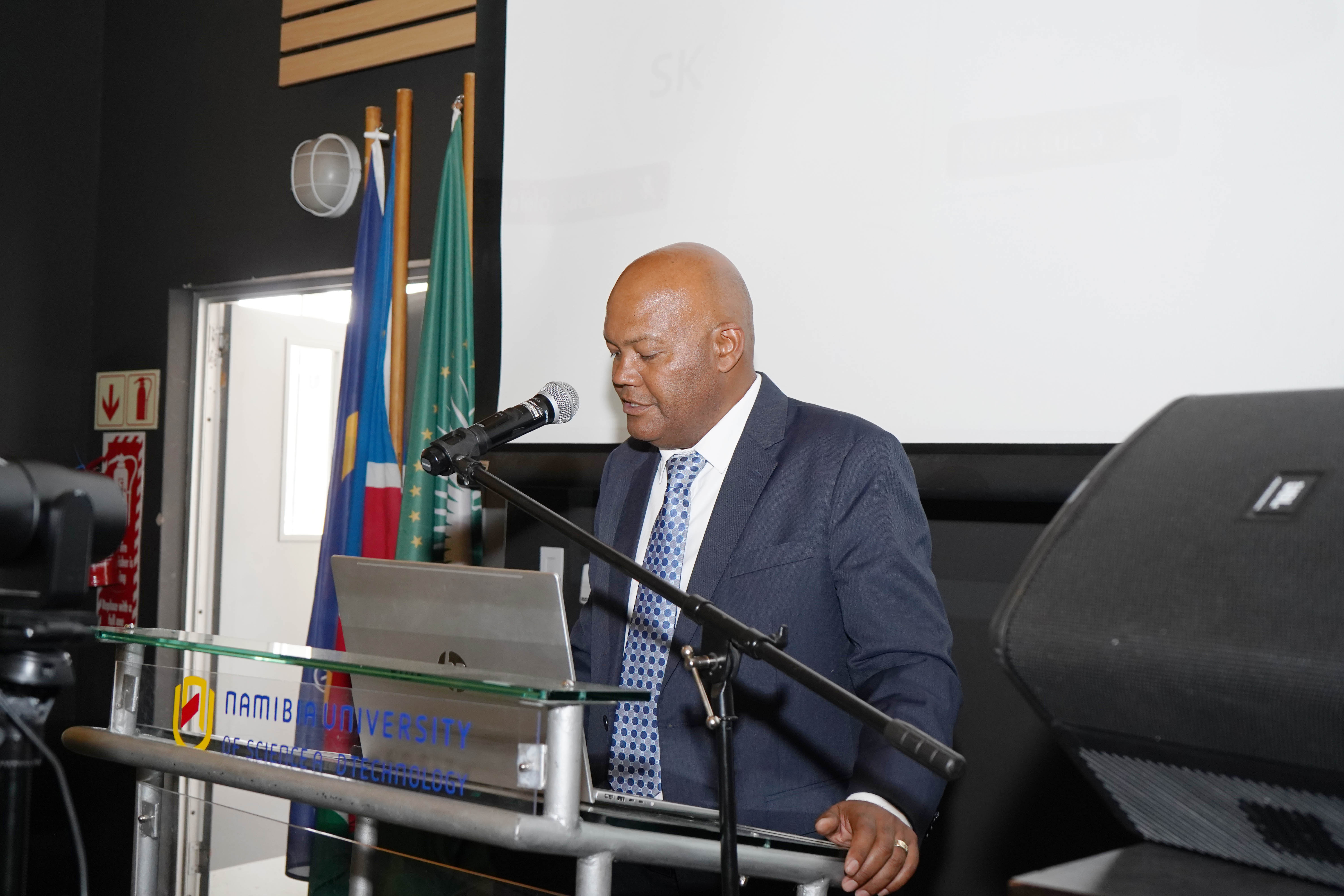
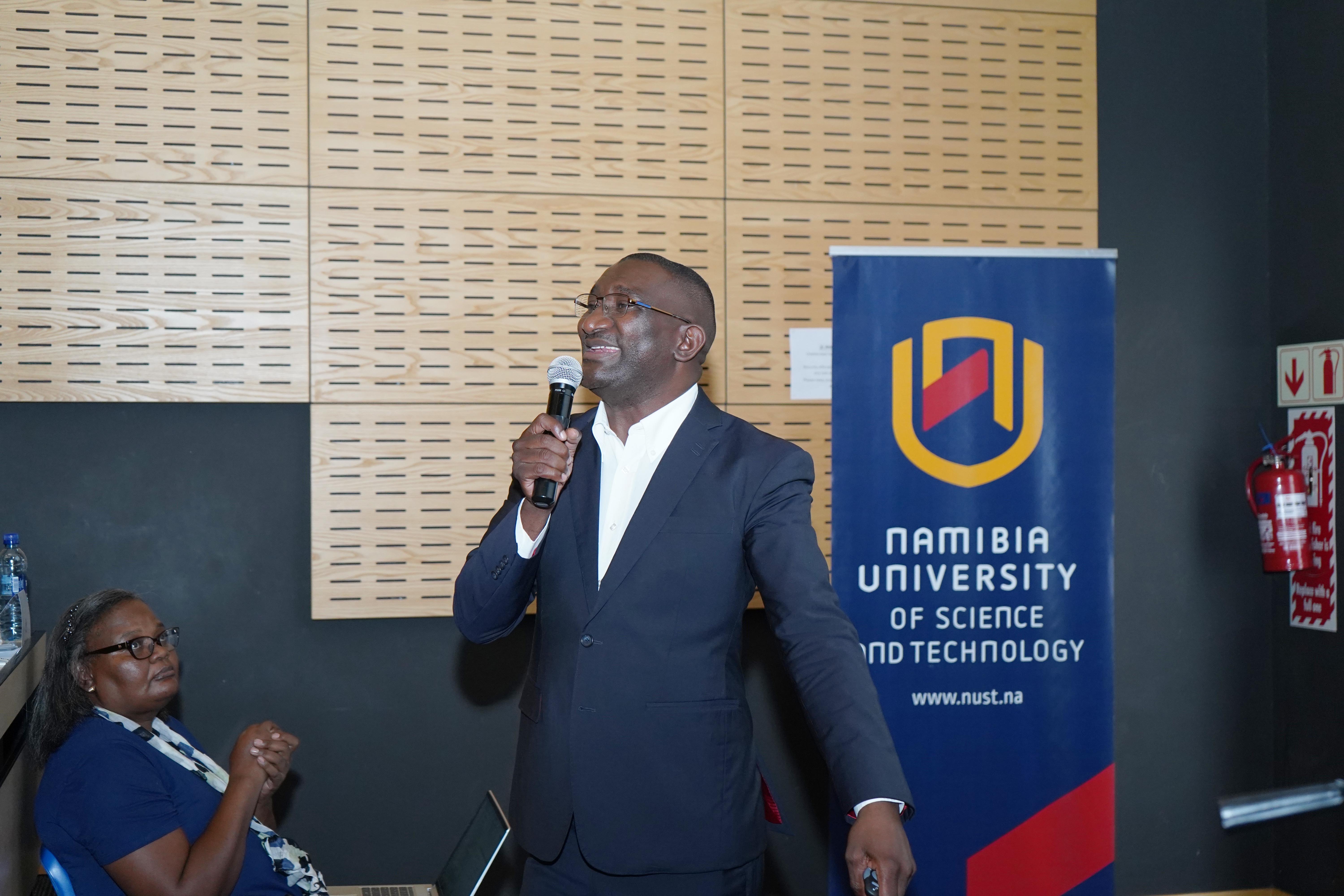
In his address, NUST Vice-Chancellor, Prof Frednard Gideon, emphasised that curriculum transformation must extend beyond incremental adjustments to existing programmes. Rather, it requires a fundamental reconsideration of what the University teaches, how it teaches, and how its academic offerings respond to the changing needs of society and the economy.
He highlighted the importance of preparing graduates not merely to seek employment but also to create employment, drive innovation and develop practical solutions to national development challenges. In particular, he underscored the need for graduates to contribute to critical sectors such as renewable energy, water management and other emerging areas of economic opportunity. This, he noted, calls for a deliberate shift towards relevant, applied and responsive academic programmes that equip students with the knowledge, practical competencies and entrepreneurial capabilities required to make meaningful contributions to industry and society.
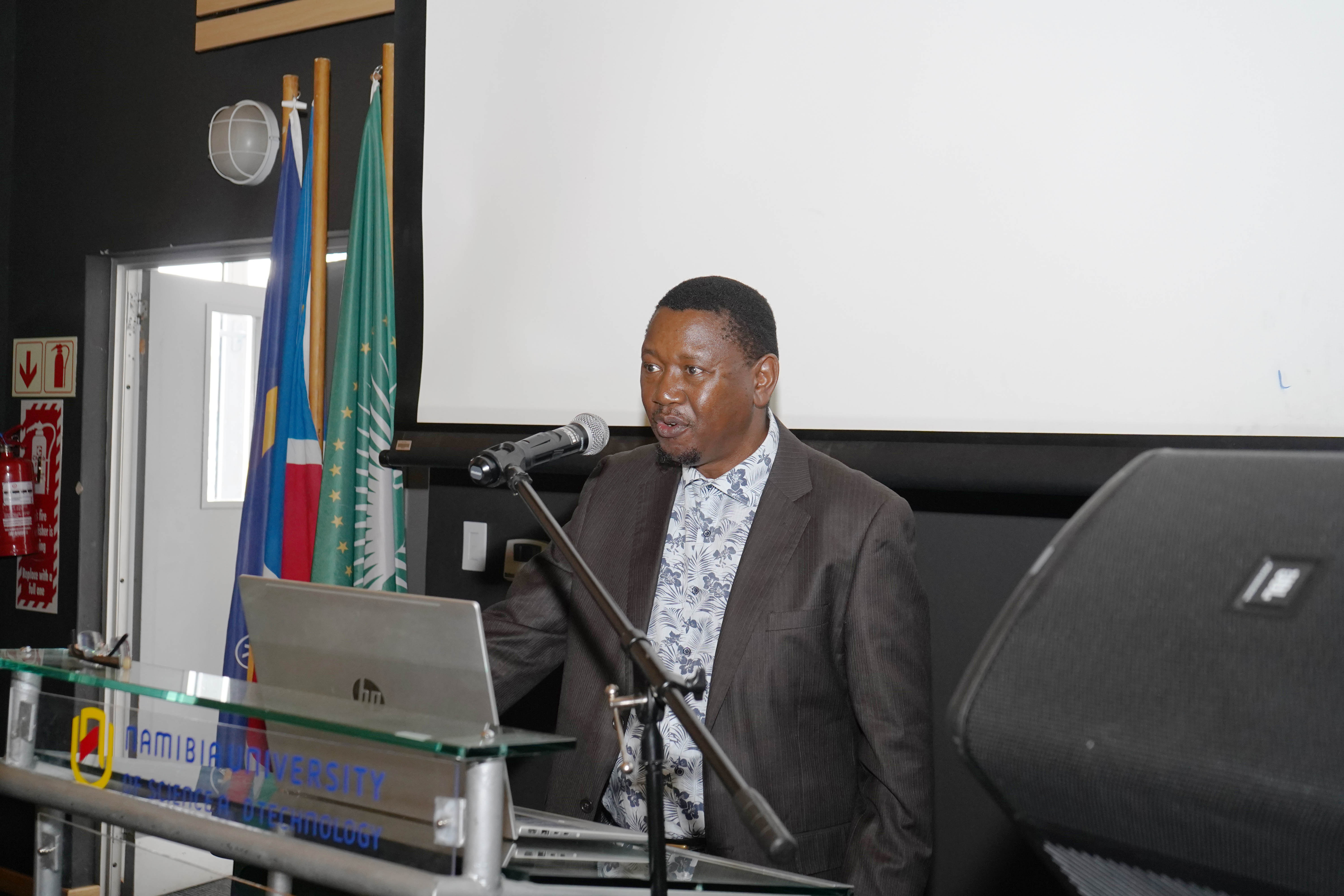
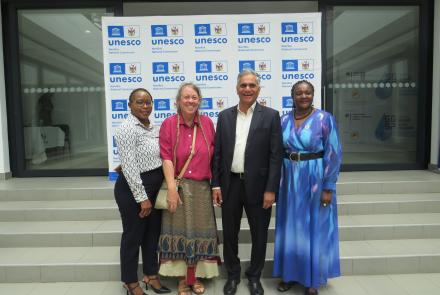
A key contribution to the deliberations came from keynote speaker Prof Lumkile Luvuyo Lalendle, Executive Director: Planning and Quality Assurance at the University of South Africa, who shared insights on global developments, emerging approaches to curriculum transformation, and the importance of aligning institutional academic strategies with changing societal and labour market demands.
The summit explored the forces reshaping higher education, including artificial intelligence, digital transformation, technological advancement, changing employment patterns, interdisciplinary knowledge and the growing demand for adaptable, innovative and lifelong learners. Participants also reflected on Namibia's future skills requirements and the need for higher education institutions to anticipate, rather than simply react to, changes in the world of work.
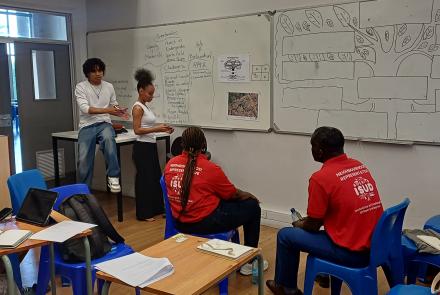
A central focus of the deliberations was the development of a distinctive NUST graduate profile. Participants considered the competencies and attributes that should characterise NUST graduates, including strong disciplinary and scientific foundations, technological proficiency, critical and analytical thinking, creativity, problem-solving, ethical leadership, entrepreneurship, adaptability and the ability to translate knowledge into practical solutions. The industry-focused roundtable discussion provided an important opportunity to bridge the gap between academic preparation and workplace expectations. Discussions centred on graduate competencies, professional accreditation requirements, work-integrated learning, emerging occupational skills, and the need to strengthen collaboration among the University, employers, professional bodies, and industry.
Importantly, the summit sought to move beyond identifying challenges to establishing a shared institutional direction and practical implementation mechanisms. Deliberations focused on agreed principles and criteria for curriculum review and redesign, identifying priority curriculum gaps, determining programmes requiring urgent intervention, and strengthening institutional approaches to curriculum development, approval, quality assurance and continuous improvement. The expected outcomes include a proposed university-wide Curriculum Transformation Framework, a draft NUST graduate profile, an institutional baseline of curriculum gaps and priorities, and a programme prioritisation matrix. These will inform a structured implementation roadmap that outlines key actions, institutional responsibilities, milestones, resource requirements, and monitoring indicators for 2027.
The process will also provide an opportunity to strengthen the integration of applied research, experiential learning, industry engagement, interdisciplinary collaboration and emerging technologies into programme design and delivery, while safeguarding academic rigour, academic freedom and compliance with applicable quality assurance and accreditation requirements. The summit therefore marks an important milestone in NUST's institutional journey towards ensuring that its academic programmes remain relevant, responsive, inclusive and internationally competitive. It reinforces the University's commitment to its distinctive science and technology mandate and its responsibility to contribute meaningfully to Namibia's socioeconomic transformation.
Following the summit, the Curriculum Transformation Committee will consolidate the deliberations and recommendations into a comprehensive report, refine the proposed institutional framework and develop an evidence-informed and costed implementation roadmap for 2027. The recommendations will subsequently be channelled through the University's established governance structures for consideration and approval.
Ultimately, curriculum transformation is not simply about changing what is taught; it is about reimagining the entire educational experience and strengthening the University's capacity to produce graduates who can navigate uncertainty, embrace innovation, create opportunities and contribute to national development. The future of Namibia depends, in part, on the quality, relevance and adaptability of the graduates we produce today. At NUST, that future begins with transforming the curriculum to ensure that scientific knowledge, technological advancement and innovation translate into meaningful national impact.