
PhD Student Wins International Conservation Award
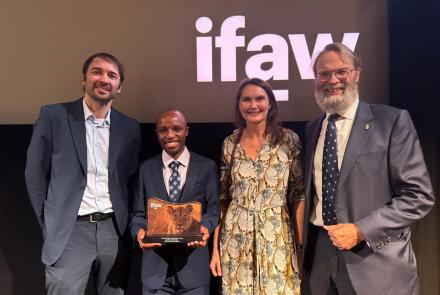
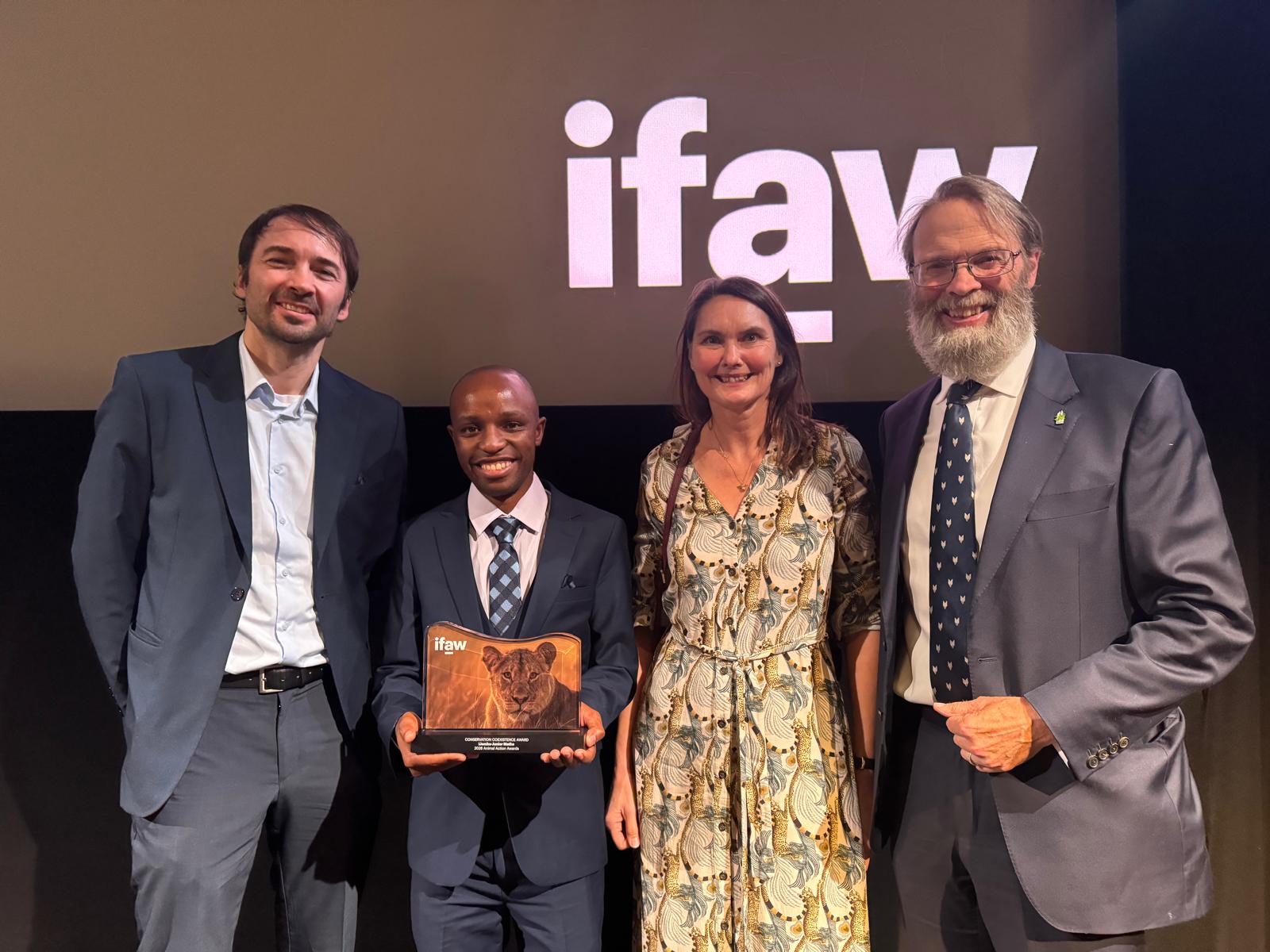
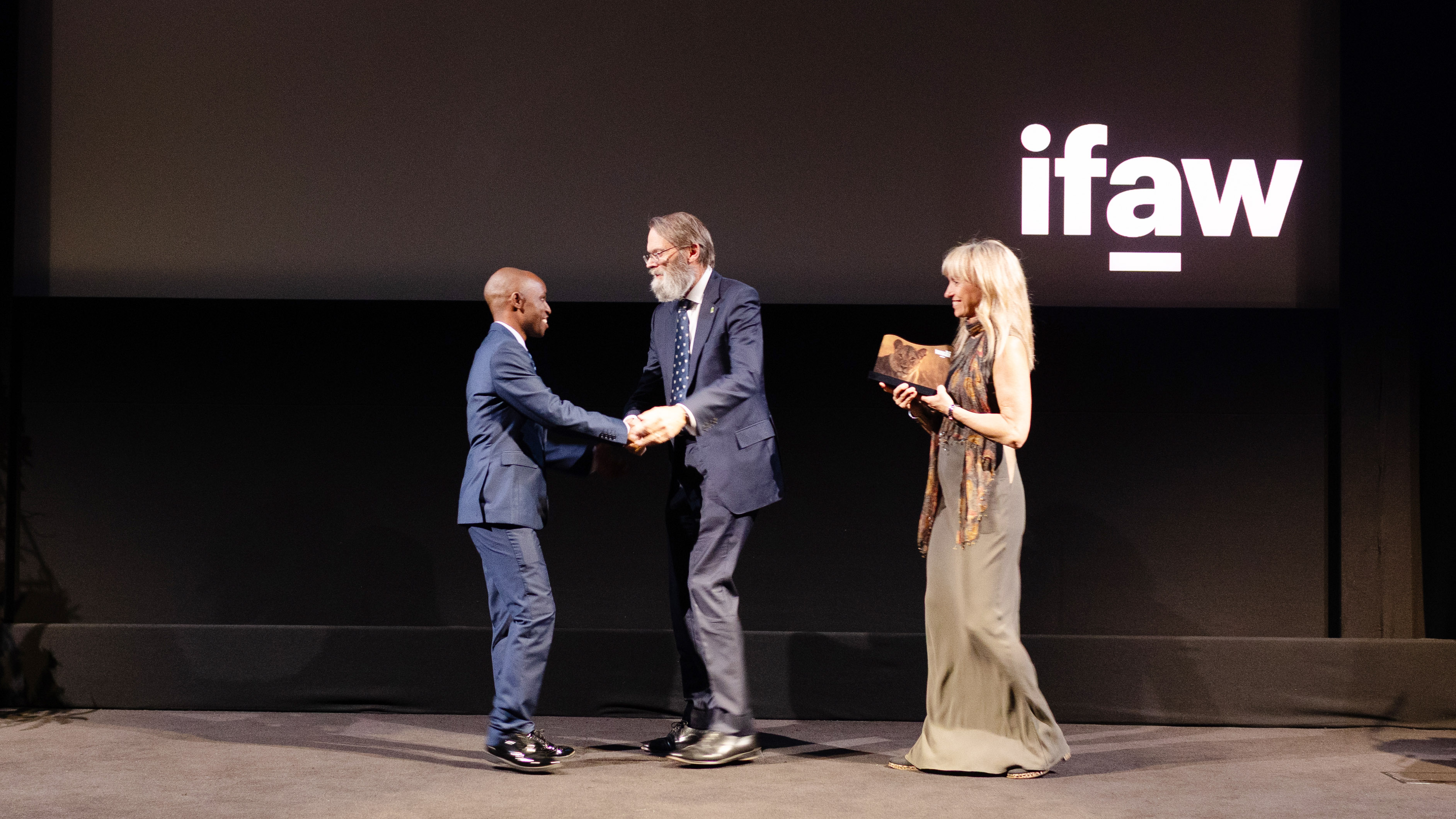
Liomba-Junior Mathe, a second-year PhD student in the Faculty of Health, Natural Resources and Applied Sciences at NUST, recnelty received international recognition for his contribution to wildlife conservation and community development at the prestigious 2026 International Fund for Animal Welfare (IFAW) Animal Action Awards Ceremony.
In recognition of his dedication to advancing practical conservation approaches that promote peaceful coexistence between people and wildlife, particularly through his work on human-lion coexistence around Zimbabwe’s Hwange National Park, Mathe received the Conservation Coexistence Award. The accolade recognises more than a decade of sustained commitment and efforts towards finding sustainable solutions to human-wildlife conflict.
Through the Long Shields Lion Guardian Programme, Mathe implemented community-based interventions, including early-warning alert systems for collared lions, livestock protection measures and improved herding techniques. “These interventions contributed towards a 50% reduction in human-carnivore conflict incidents,” Mathe explained. In addition, he has trained more than 150 community guardians across Southern Africa in practical approaches to promoting human-wildlife coexistence.
Commenting on his achievement, Dr Meed Mbidzo, Head of the Department of Natural Resource Sciences and Mathe’s PhD supervisor, expressed pride in his dedication and passion for wildlife conservation. “I have come to appreciate his hard work, dedication and genuine passion for wildlife conservation. This recognition is well-deserved and I am delighted to have someone with his experience and commitment as part of our postgraduate research community at NUST,” she said.
Beyond promoting human-wildlife coexistence, Mathe sees an opportunity to apply his research to broader conservation challenges in Southern Africa, particularly where poverty and limited livelihood opportunities place pressure on natural resources. He anticipates to champion community-centred solutions that will create tangible benefits for local communities through innovative financing models, including wildlife credits, Payments for Ecosystem Services and wildlife-friendly certification programmes.
“Receiving this award is not just a personal milestone, but a testament to the rigorous research ecosystem fostered here at NUST. Wildlife conservation is critical to Africa’s economic and environmental future, and I hope this work inspires more young researchers to pursue sustainable solutions for our ecosystems,” he explained.
Looking ahead, Mathe aspires to become a conservation leader who bridges scientific research with local knowledge to protect biodiversity and improve community livelihoods, particularly in the Kavango-Zambezi Transfrontier Conservation Area, a region of significant biodiversity and human-wildlife coexistence challenges.