
NUST Hosts UNESCO Chairs for National Dialogue on Science Diplomacy
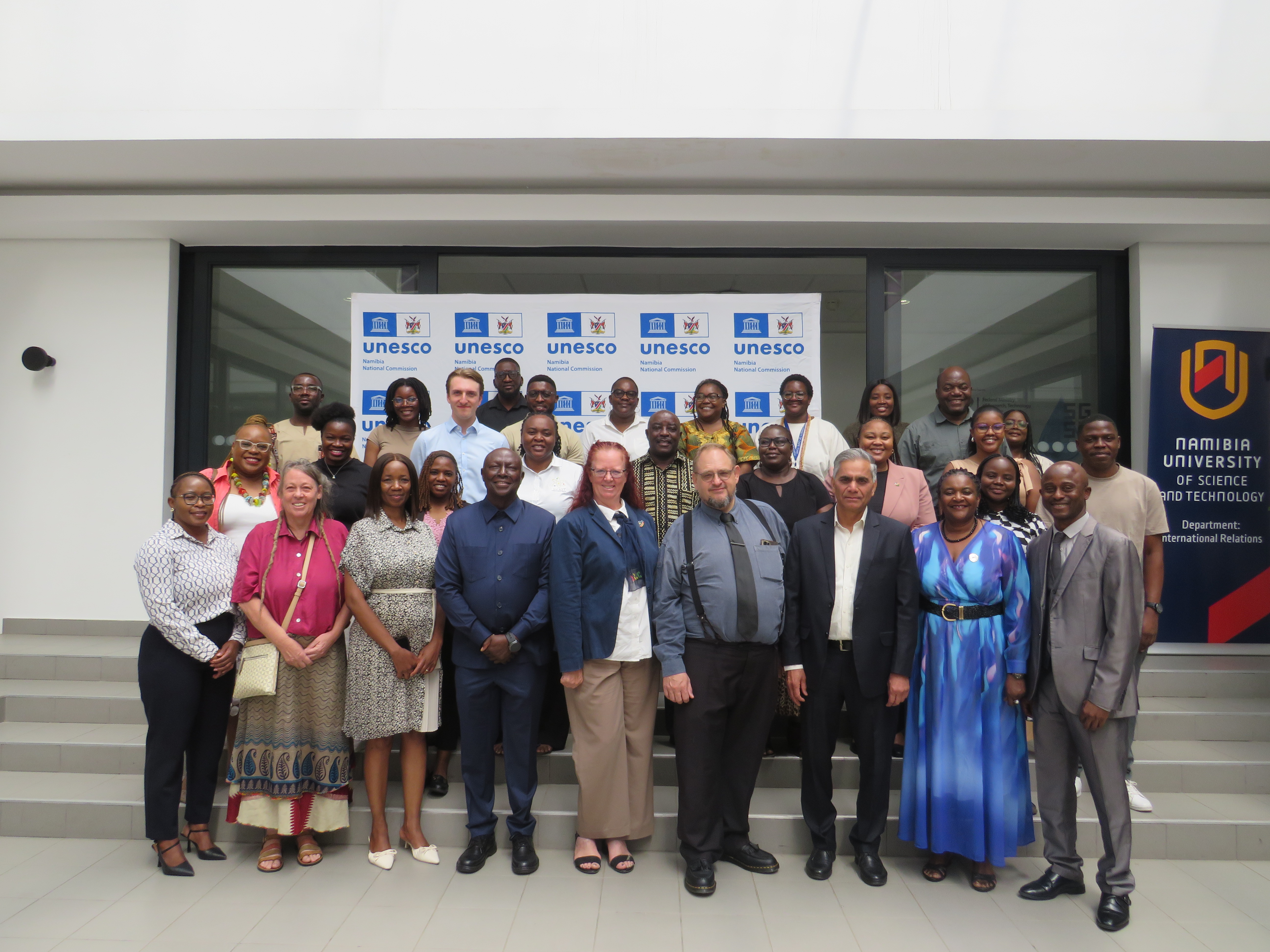
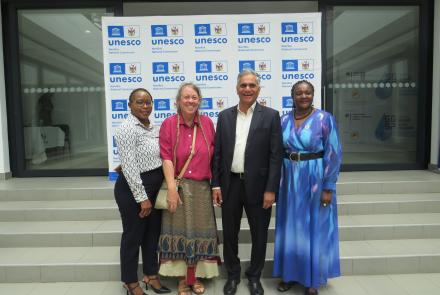
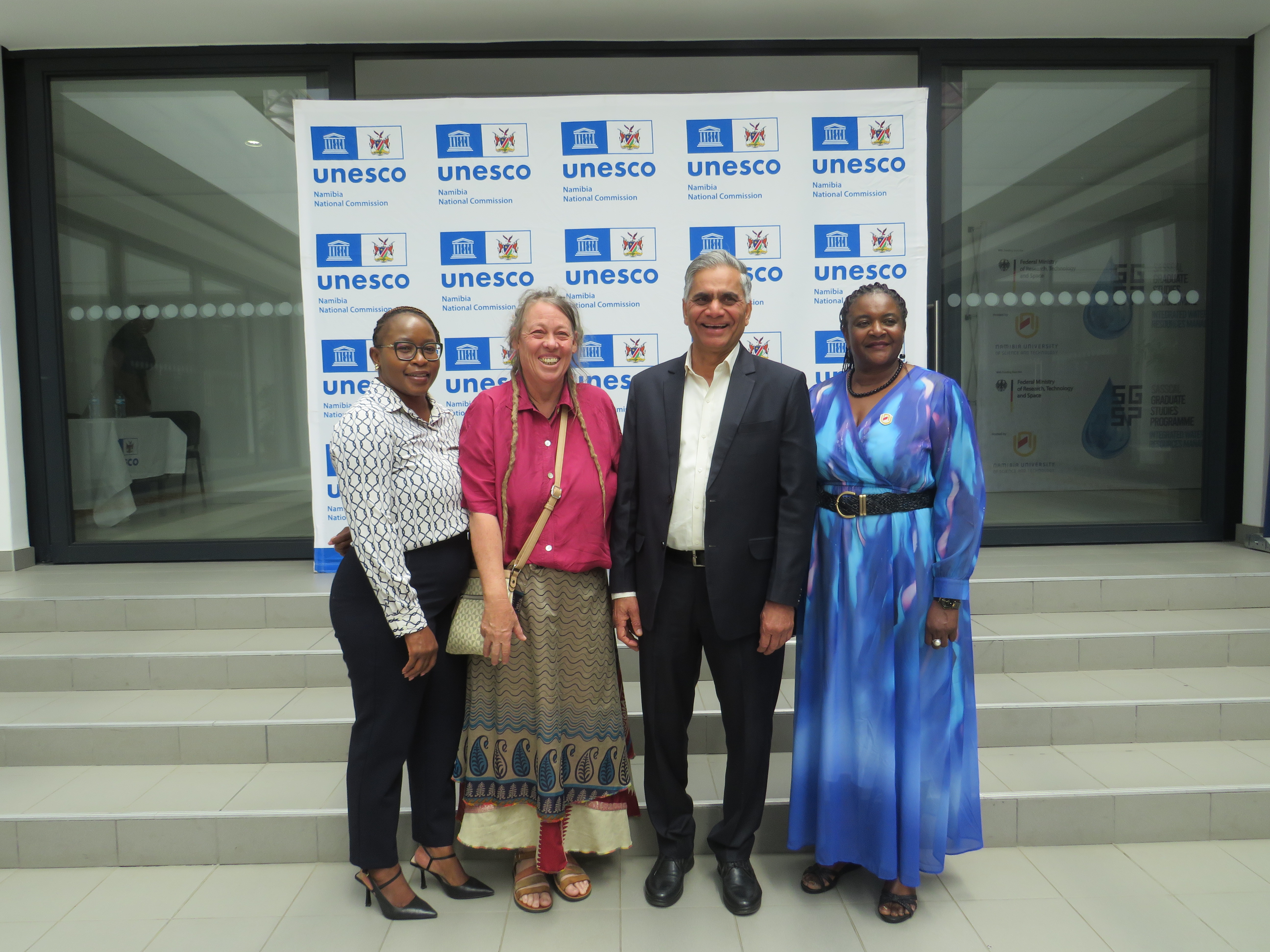
Making research more useful to communities was the focus of the Annual Meeting of UNESCO Chairs in Namibia hosted by NUST. Coordinated by the Namibia National Commission for UNESCO, the meeting also marked Namibia’s commemoration of World Science Day for Peace and Development, observed internationally on 10 November.
The meeting took place under the theme “Science Diplomacy: Strengthening Cooperation in a Changing World”. Education Minister Dr Sanet L. Steenkamp called for sustained investment in science and technology to advance the Sixth National Development Plan (NDP6), Namibia’s final plan towards Vision 2030. In her opening address, read by Deputy Executive Director for Schools and Formal Education Edda Bohn, Steenkamp pointed to persistent poverty and unemployment and the added strain that climate change, global instability and rising living costs place on households.
“Research is most useful when it informs decisions and helps people address the problems they face,” Steenkamp said in her address. She urged Namibia’s diplomatic missions, universities and research institutions to work together to secure opportunities for joint research, specialist training and access to scientific facilities. She also called for researchers’ expertise to inform negotiations on shared water resources and for Indigenous communities to help decide how their knowledge is used.
n his Welcoming Remarks read on behalf of the Vice-Chancellor, Prof Frednard Gideon by Dr Simeon Amunkete, he urged the Chairs to assess whether their research helps communities prepare for droughts and floods, widens access to technology and improves public decisions. He also emphasised the Chairs’ role in training the next generation of African researchers.
The Work of the UNESCO Chairs
UNESCO launched the UNITWIN/UNESCO Chairs Programme in 1992 to strengthen cooperation among universities. The programme connects local research and postgraduate training to international networks. Five Chairs were represented at the meeting, four from NUST and one from the University of Namibia (UNAM).
At NUST, Prof Hilma Amwele’s Chair studies sustainable water management and how to farm in saline conditions in arid areas. At UNAM, Dr Afis Olumide Busari’s Chair focuses on flood and drought risks across Southern Africa, including how water infrastructure can better withstand climate extremes.
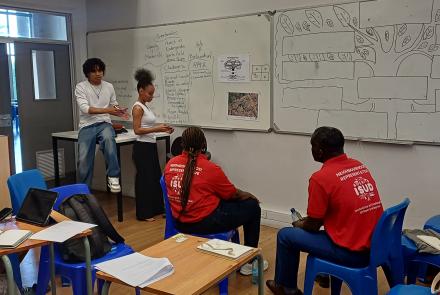
Prof Dharm Singh Jat leads NUST’s Chair on secure high-performance computing, while Prof Suama L. Hamunyela’s Chair examines how digital technologies can address gender inequalities. Prof Heike Winschiers-Theophilus leads the Chair in Digital Technology Design with Indigenous People. At its 2025 launch, Otjisa community elder Uariaike Mbinge described how working with the NUST team helped residents use technology to preserve their culture.
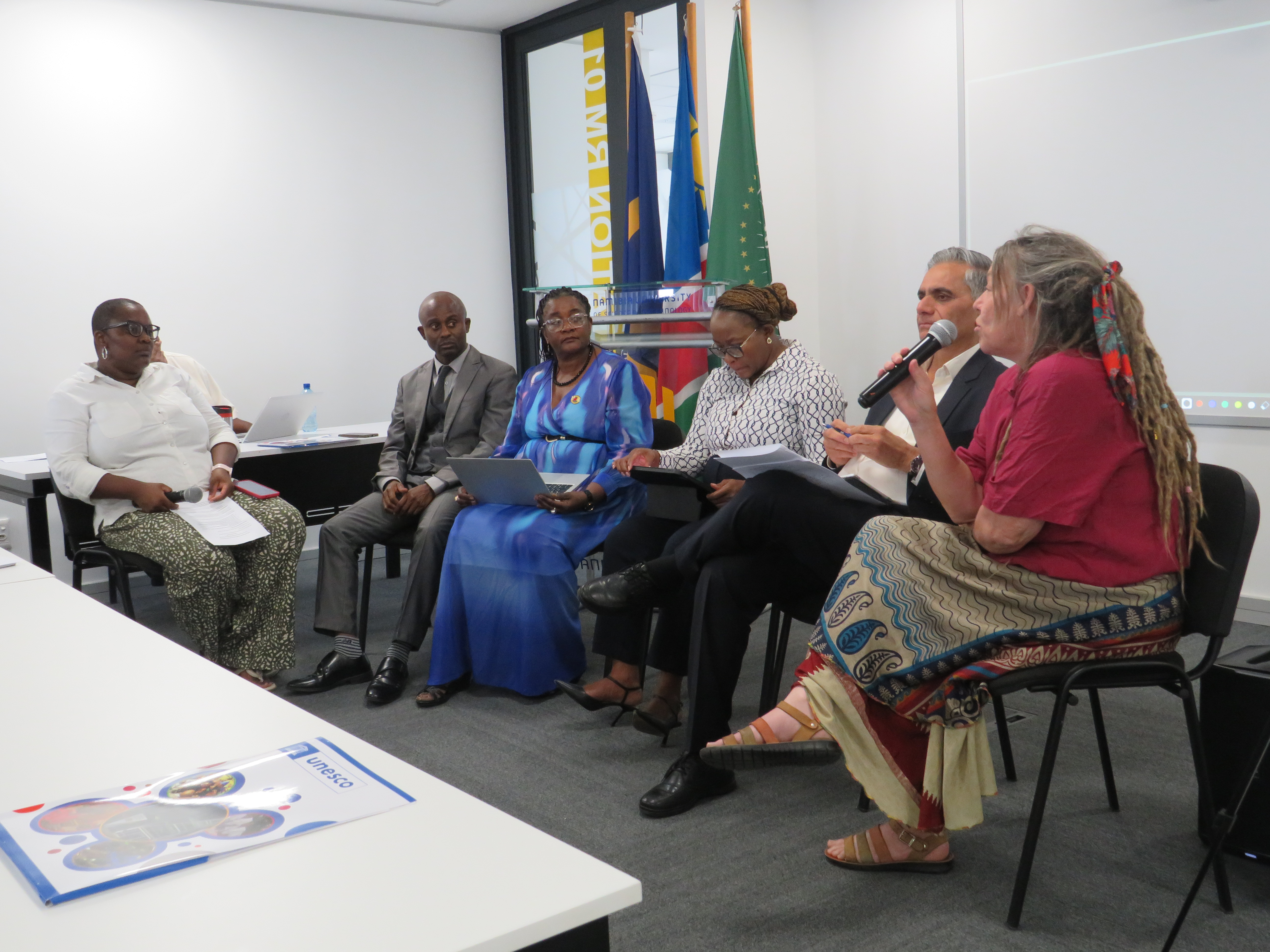
The programme included a research showcase and a panel on science diplomacy. Dr Delfina Fernandes Hlashwayo of Mozambique’s Eduardo Mondlane University delivered the keynote online, discussing how scientific cooperation can help countries work together on shared challenges.
Steenkamp urged the Chairs to identify where they could combine their expertise. She asked them to bring the communities and institutions that would use the findings into projects from the start. She also called for clear responsibilities for developing research partnerships, following up on commitments and assessing their impact.