
NUST strengthens regional expertise for water security
The Namibia University of Science and Technology (NUST) is strengthening southern Africa’s capacity to respond to drought, water pollution, and competing demands on rivers through a new cohort of 13 doctoral researchers.
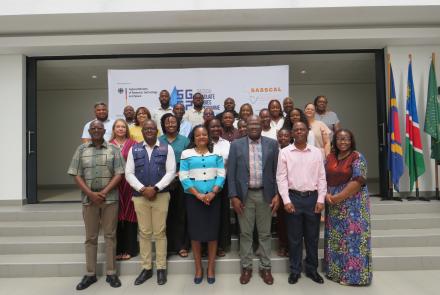
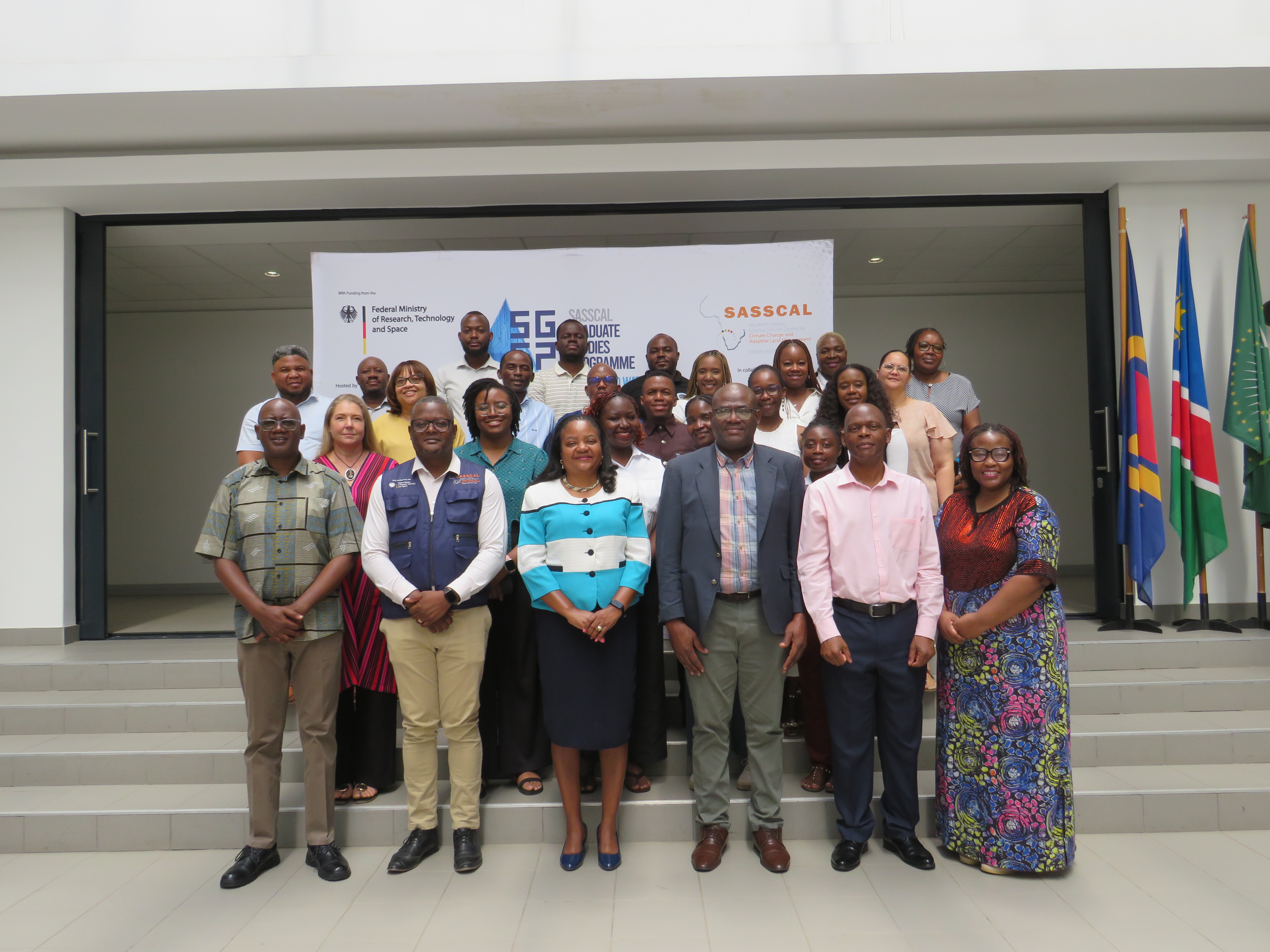
The students were welcomed to the second cohort of the SASSCAL Graduate Studies Programme in Integrated Water Resources Management (SGSP-IWRM) at an onboarding session in Windhoek, Namibia, on 22 October 2026. The students are from the SASSCAL member countries (Angola, Botswana, Namibia, South Africa, and Zambia).
With 15 shared river basins across the Southern African Development Community (SADC) region, water management requires cross-border cooperation. Decisions on irrigation, electricity generation and conservation in relation to water utilisation should consider their impacts across watersheds.
One proposed study explores artificial intelligence for the development of weather forecasting models for use by different countries in the region. The approach could improve forecasts of climate conditions and water availability while protecting sensitive information. Other proposed studies examine affordable wastewater treatment techniques and the effects of hydropower energy on river ecosystems. Such findings could help water institutions strengthen pollution control and weigh energy needs against the health of rivers and the livelihoods they support.
“Be ambitious in your research questions, rigorous in your methods, ethical in your conduct,” Professor Omotayo Awofolu urged, encouraging students to produce knowledge with tangible benefits for society.
SASSCAL Executive Director, Professor Nelago Indongo, described the scholarships as an investment in regional expertise. “Water security is one of the defining developmental challenges,” she said, calling for research that informs policy and strengthens water governance.
The programme is supported by the Southern African Science Service Centre for Climate Change and Adaptive Land Management (SASSCAL), with international scientific mobility through the International Centre for Water Resources and Global Change, based in Germany.
Students were encouraged to develop research with impactful outcomes, connecting advanced scientific training with decisions that protect water supplies and strengthen communities’ resilience.