
NUST and University of Namibe Strengthen Research Collaboration
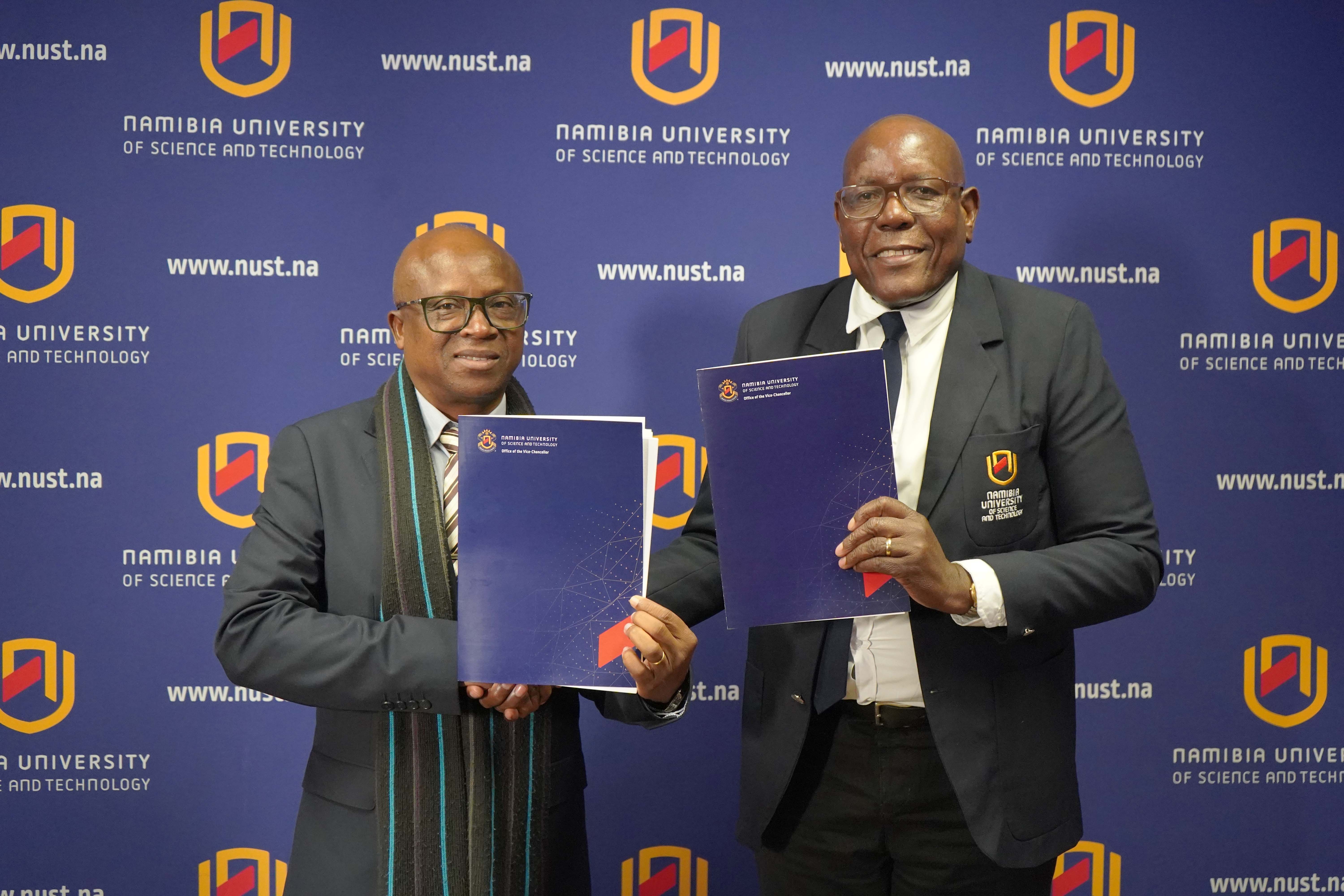
Recently, the University of Namibe (UNINBE) of Angola and NUST have taken a significant step towards strengthening regional research and innovation collaboration following the successful signing of a strategic Memorandum of Understanding (MoU).
The partnership aims to advance joint initiatives across key STEM disciplines, including marine biology, fisheries and aquaculture, agriculture, green hydrogen, the green economy, mining, engineering, and digital technologies. It provides a framework for joint research programmes, academic cooperation, postgraduate development, laboratory collaboration, and knowledge exchange between the two institutions.
Building a partnership anchored in shared aspirations
Speaking at the signing ceremony, NUST Acting Vice-Chancellor, Prof Andrew Niikondo, described the MoU as a foundation for a meaningful and impactful partnership. “Let this Memorandum become a living partnership characterised by active collaboration, regular engagement, successful research projects, staff and student mobility, innovative academic programmes, and tangible solutions that benefit both our institutions and society at large,” he said.
UNINBE Rector, Prof Alfredo Noré Saluanja Muacahila, highlighted the shared history and developmental aspirations between Namibia and Angola, noting that the partnership represents an important milestone in strengthening cooperation between the two neighbouring countries. “Angola and Namibia share more than just a border. We share people with the same cultural roots and history, the Atlantic Ocean, common developmental challenges, and the responsibility of training professionals who will boost and transform our region,” he said.
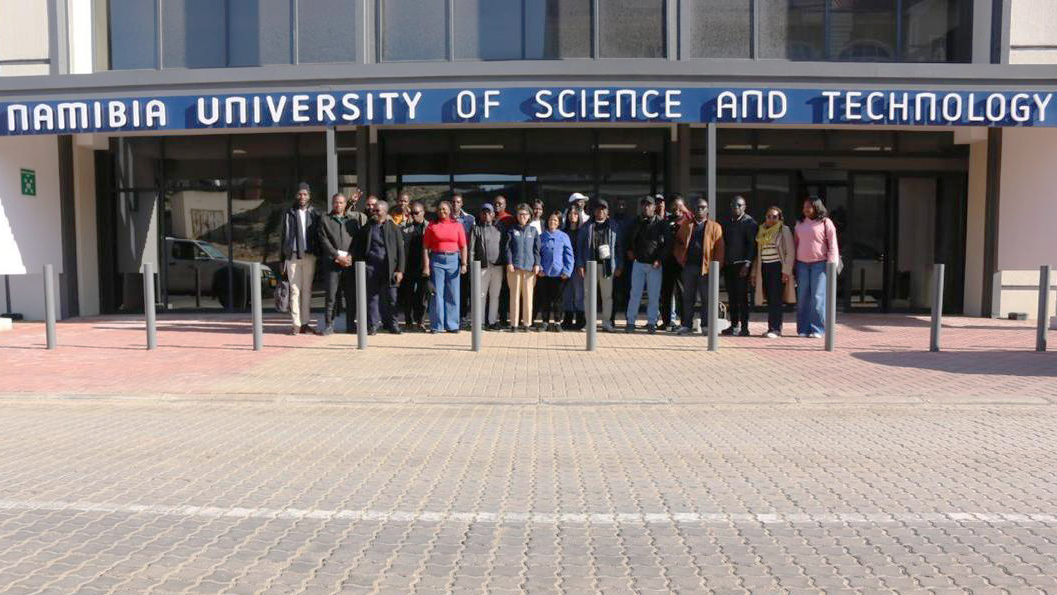
Exploring research opportunities in Lüderitz
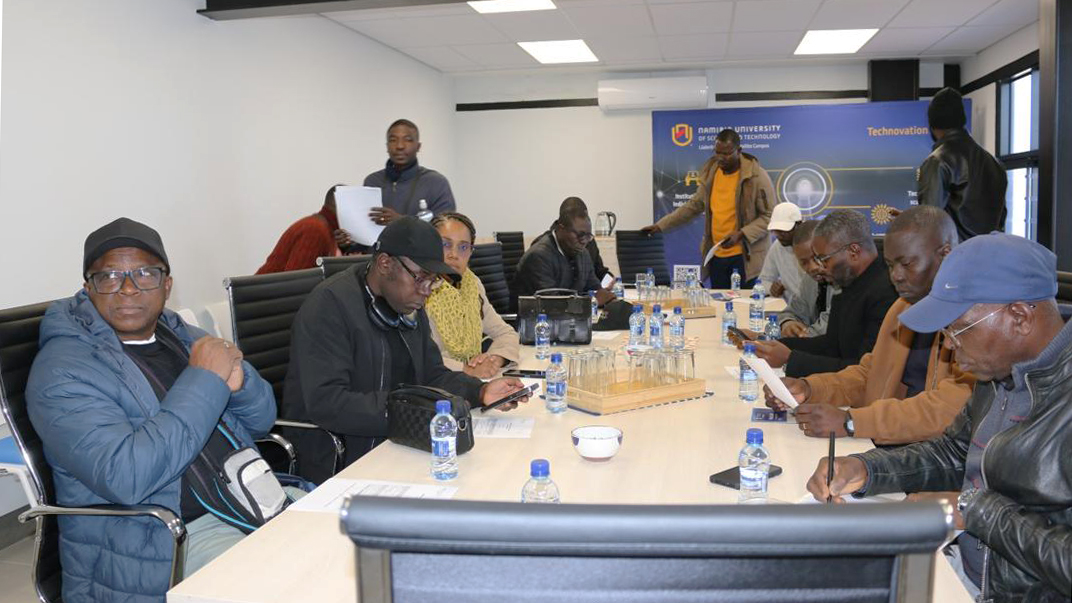
Following the signing ceremony, the UNINBE delegation visited NUST’s Lüderitz Satellite Campus for further deliberations on potential areas of collaboration. The visit aimed to allow the delegation to observe the environmental conditions of Lüderitz and explore similarities with Namibe, Angola. The discussions concluded that both coastal environments share comparable conditions, providing a strong foundation for collaboration in marine sciences, fisheries, aquaculture, and related disciplines.
NUST Deputy Vice-Chancellor: Research, Innovation and Partnerships, Prof Colin Stanley, said the partnership provides an opportunity to move beyond general cooperation and towards measurable research outputs. He further noted that the collaboration will enable both institutions to establish multidisciplinary research teams, pursue joint funding opportunities, share specialised infrastructure, and translate research into prototypes, technologies, and practical solutions.
During the Lüderitz engagements, UNINBE presented its academic programmes across fisheries sciences, natural sciences, engineering and technologies, and humanities, identifying areas where both institutions can benefit from knowledge exchange and collaboration.
Associate Dean of the School of Agriculture and Natural Resource Sciences at NUST, Prof Hilma Amwele, said the discussions also focused on strengthening NUST’s Bachelor of Science Honours in Applied Fisheries and Aquaculture programme. “The colleagues from the University of Namibe provided valuable input on the programme, particularly around genetic modification. They also identified experts who may assist with online course delivery and proposed colleagues who could serve on our Programme Advisory Committee,” she explained.
The institutions further identified research opportunities in species identification and genetic modification, with continued discussions planned to advance these areas. The deliberations also highlighted opportunities for co-supervised Master’s programmes, as well as future collaboration on joint research projects and the pursuit of research funding opportunities to support impactful initiatives.